
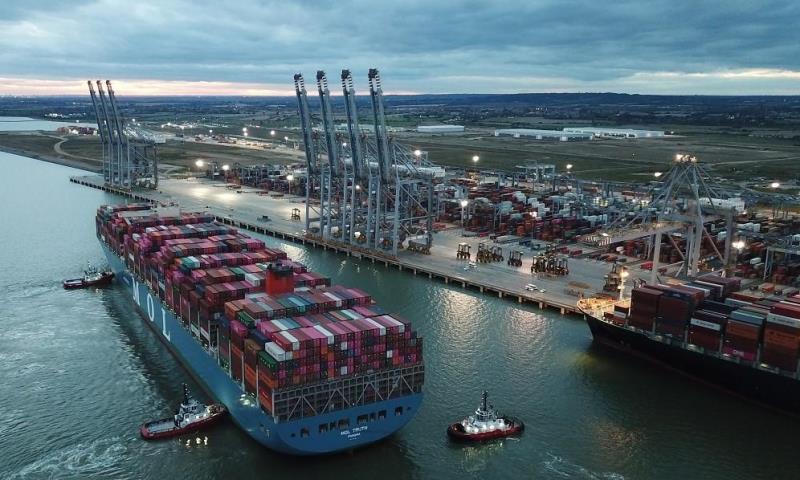
UK ports recorded a 10% increase in container traffic, highlighting continued resilience in the country’s containerized trade despite an overall decline in total cargo tonnage. The contrasting performance reflects strong demand for manufactured goods and consumer products even as volumes of bulk commodities and other cargo categories weakened.
The growth in container throughput was supported by steady import demand, expanding retail inventories, and sustained activity in key trade lanes. Major container ports handled higher volumes of loaded containers, benefiting from improved shipping schedules and continued recovery in global supply chains.
In contrast, overall cargo tonnage declined due to lower volumes of bulk commodities such as coal, crude oil, construction materials, and other dry and liquid bulk cargoes. Changing energy consumption patterns, softer industrial activity, and shifting trade flows contributed to the reduction in total freight handled by UK ports.
Industry observers note that the divergence between container growth and declining overall tonnage reflects the evolving composition of UK maritime trade. While containerized cargo continues to expand, driven by consumer demand and higher-value goods, traditional bulk cargo volumes remain under pressure amid economic and energy market changes.
The latest figures underscore the growing importance of container logistics in the UK’s port sector, with operators continuing to invest in terminal capacity, digitalization, and operational efficiency to accommodate rising container volumes while adapting to changing cargo patterns.