
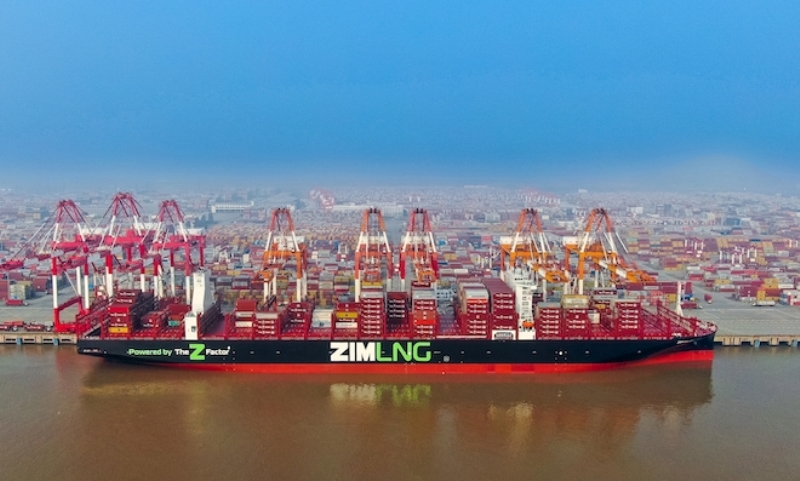
Hapag-Lloyd and ZIM have introduced a new container shipping service connecting Asia with the east coast of South America, strengthening trade links between the two regions.
The new service is designed to provide shippers with an additional direct connection between major Asian markets and key ports along South America’s eastern seaboard. It will support the movement of containerised cargo across one of the world’s important emerging trade corridors.
The service is expected to offer exporters and importers improved access to markets in South America while providing additional capacity and routing options for Asian cargo. Industries such as automotive, consumer goods, machinery, electronics and agricultural products could benefit from enhanced connectivity.
The launch reflects the carriers’ efforts to respond to changing trade flows and growing demand for reliable shipping links between Asia and South America. A dedicated service can also help improve schedule options and facilitate smoother connections for regional cargo.
Hapag-Lloyd and ZIM’s new offering highlights the continued expansion and reshaping of global container networks as carriers seek to strengthen direct connections and match capacity with evolving customer demand.