
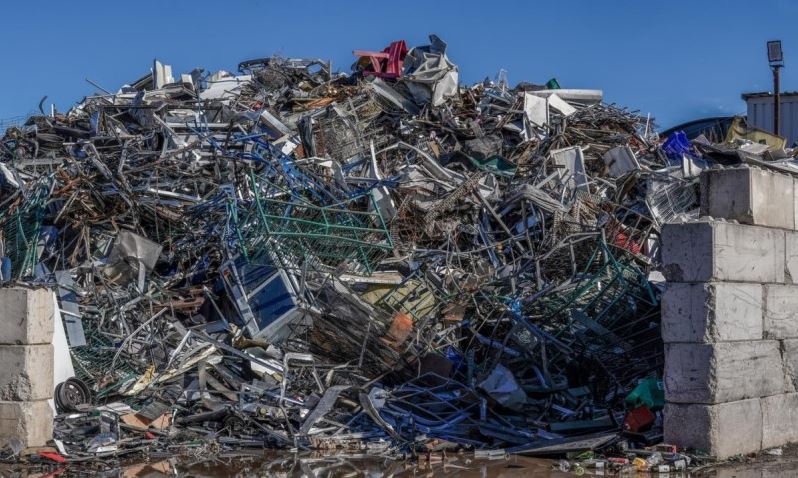
India is considering changes to rules governing scrap imports as domestic recyclers seek stronger inspection and verification procedures at ports to ensure the quality and safety of incoming material.
The proposed changes are aimed at improving oversight of imported scrap and addressing concerns raised by recyclers about the composition and condition of consignments arriving in India. Port-level checks could provide authorities with an additional mechanism to verify shipments before they enter the domestic market.
India imports various types of metal scrap to support its recycling and manufacturing industries. Scrap is used as an important raw material by steel, aluminium, copper and other metal-processing units, helping manufacturers supplement domestic supplies.
Industry participants have called for more effective inspection mechanisms to prevent the entry of unwanted or non-compliant material along with legitimate scrap consignments. Recyclers have also highlighted the need for a system that maintains efficient cargo clearance while strengthening checks.
Any changes to import procedures will need to balance regulatory oversight with the industry’s requirement for predictable and timely access to raw materials. Delays at ports could increase logistics and inventory costs for recyclers and downstream manufacturers.
Improved inspection and data-sharing systems could help customs and other authorities identify higher-risk consignments while allowing compliant shipments to move more efficiently. Clear guidelines would also provide greater certainty to importers and overseas suppliers.
The review comes as India continues to expand its recycling capacity and promote greater use of secondary raw materials in manufacturing. A more structured scrap-import framework could support these efforts while strengthening environmental and safety controls.
Further details on the proposed changes, including the scope of port checks and implementation procedures, are expected as consultations between the government and industry stakeholders progress.