
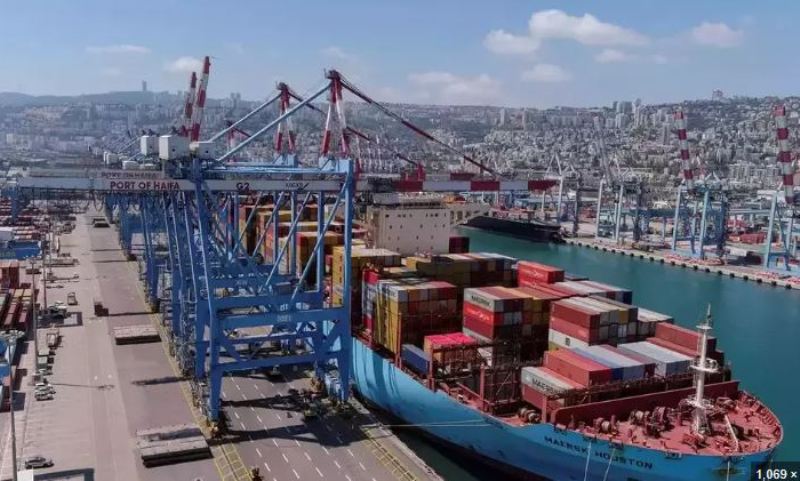
The India–Middle East–Europe Economic Corridor (IMEC) could eventually handle around 3 million TEUs annually, with initial volumes estimated at 1.5 million TEUs, according to Captain Sumit Chauhan, President of the Port of Haifa. Speaking at the Mare Med conference in Tel Aviv, Chauhan said the proposed corridor could reduce transit times by about 40% and logistics costs by up to 30% compared with the Suez Canal route, subject to infrastructure development and operational coordination.
IMEC aims to connect India with Europe through maritime and rail networks across the UAE, Saudi Arabia, Jordan and Israel, with the Port of Haifa serving as a potential Mediterranean gateway. Chauhan highlighted opportunities for integrated port operations, digital cargo tracking and expanded feeder connections to the Eastern Mediterranean, Central Europe and the US East Coast.
However, the project faces significant hurdles, including the lack of normalised relations between Israel and Saudi Arabia, regional conflicts, substantial infrastructure requirements and the absence of a direct rail connection between Israel and Jordan. Competing trade corridor proposals backed by Turkey and Syria, along with Saudi Arabia’s reported interest in alternative routes, could also challenge Israel’s role in the initiative.
With security threats affecting regional shipping lanes, including the Red Sea, IMEC’s development will depend on political agreements, cross-border connectivity and coordinated investment to establish a reliable alternative trade route between Asia and Europe.