
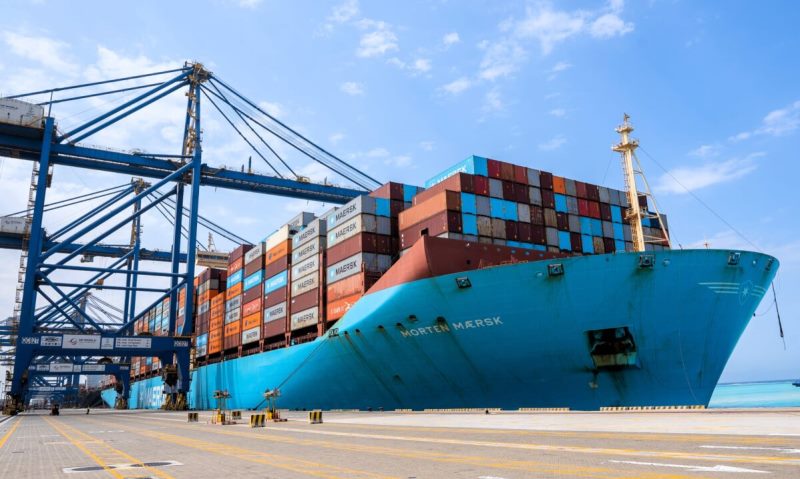
Global shipping major Maersk has cut import surcharges for New Delhi by up to 48.4%, potentially easing logistics costs for importers and businesses moving cargo through its services.
The reduction is expected to provide some relief to importers facing pressure from freight-related charges and other supply chain expenses. Lower surcharges can help businesses manage their overall landed costs and improve the predictability of shipping budgets.
For importers, freight charges and associated surcharges form an important part of the total cost of bringing goods into India. Changes to these fees can influence procurement decisions, inventory planning and distribution expenses, particularly for businesses handling regular or high-volume shipments.
Maersk periodically reviews its charges in response to market conditions, operational requirements and changes in its service network. Adjustments may vary according to shipment details, cargo categories, service terms and the effective dates specified in the carrier’s tariff notices.
The latest reduction could benefit businesses using Maersk’s services for shipments destined for New Delhi, depending on the applicable surcharge and the terms of the revised pricing.
Importers and freight forwarders should check Maersk’s official tariff advisory for the effective date, eligible shipment categories and the specific charges covered by the reduction. The headline indicates a maximum reduction of 48.4%; the actual savings may differ across shipments.
The move comes amid continued attention across the logistics sector on freight costs, pricing transparency and ways to improve supply chain efficiency.