
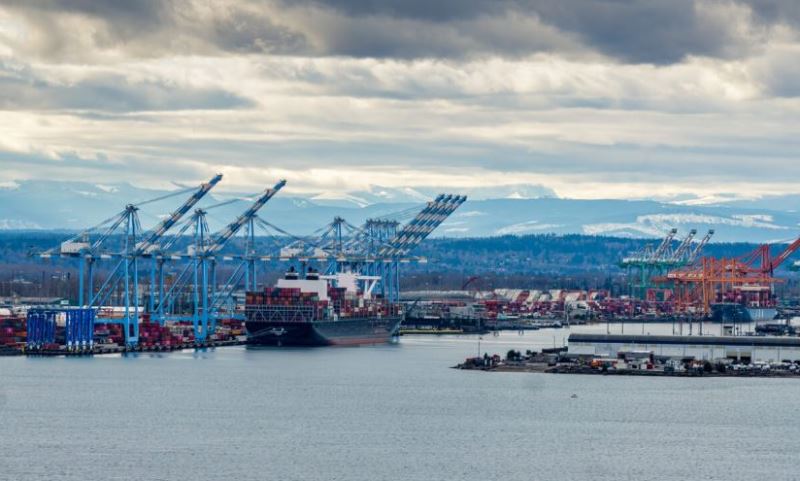
The Northwest Seaport Alliance recorded an 8.2% decline in cargo volumes in August, reflecting softer activity across the gateway’s container business.
The alliance, which combines the marine cargo operations of the Port of Tacoma and Port of Seattle, handles a wide range of containerised and other freight serving the Pacific Northwest and inland markets.
The August decline comes amid changing trade patterns and continued uncertainty across global shipping markets. Shifts in import demand, inventory levels and international trade flows can influence monthly volumes at major US gateways.
Container traffic remains closely linked to consumer demand and international supply chains, with retailers and manufacturers adjusting shipment schedules in response to market conditions. Changes in vessel deployments and cargo routing can also affect individual port gateways.
For the Northwest Seaport Alliance, cargo volumes are an important indicator of activity across the broader Pacific Northwest logistics network. Lower container throughput can have implications for terminal operators, rail and trucking providers, warehouses and other businesses connected to the port ecosystem.
The alliance continues to serve as a major maritime gateway for trade between the US Pacific Northwest and international markets. Its terminals provide connections to inland distribution centres and key markets across the region.
The August performance highlights the month-to-month volatility facing container gateways as shipping demand and trade flows evolve. Market conditions in the coming months will determine whether volumes recover or remain under pressure.
Port authorities and supply-chain stakeholders are expected to continue monitoring import and export trends, vessel calls and broader trade conditions as they assess cargo activity for the remainder of the year.