
The Indian Navy’s Fleet Support Ships (FSS) are a new class of large replenishment vessels designed to enhance the operational capabilities of the Indian Navy, according to Kongsberg Maritime’s release.
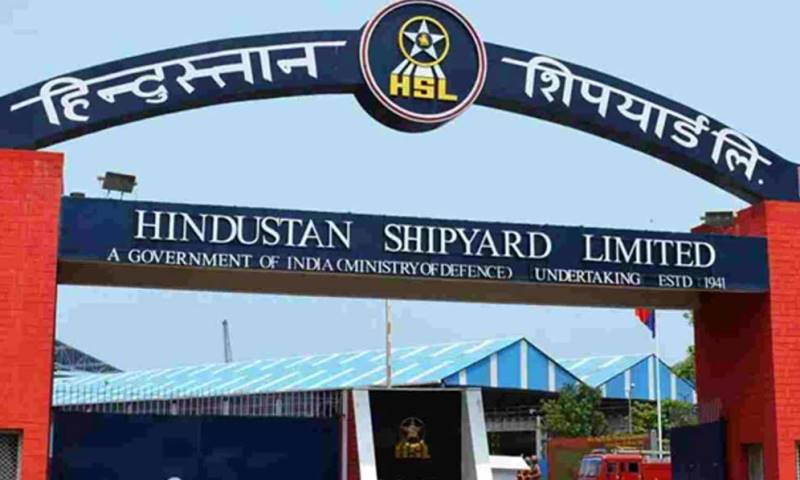
The advanced electric RAS system is crucial for naval vessels during extended missions. 03 December 2024 Kongsberg Maritime has signed a contract with Hindustan Shipbuilding Limited to supply its electric replenishment-at-sea equipment for its Fleet Support Ships programme.
The Indian Navy’s Fleet Support Ships (FSS) are a new class of five large replenishment vessels designed to enhance the operational capabilities of the Indian Navy.
The advanced electric RAS system improves operational efficiency and safety, crucial for naval vessels during extended missions.
The contract with HSL will see Kongsberg provide a full range of replenishment and refuelling capability. This includes electric winches, moveable high points, masts and the ancillary equipment that will connect the FSS ships with other vessels during replenishment operations.
Also included is an astern refuelling system, which enables refuelling when abeam replenishment isn’t possible. The RAS system will be used to transfer solid loads up to 2 tonnes, and for liquids such as fuel and drinking water.