
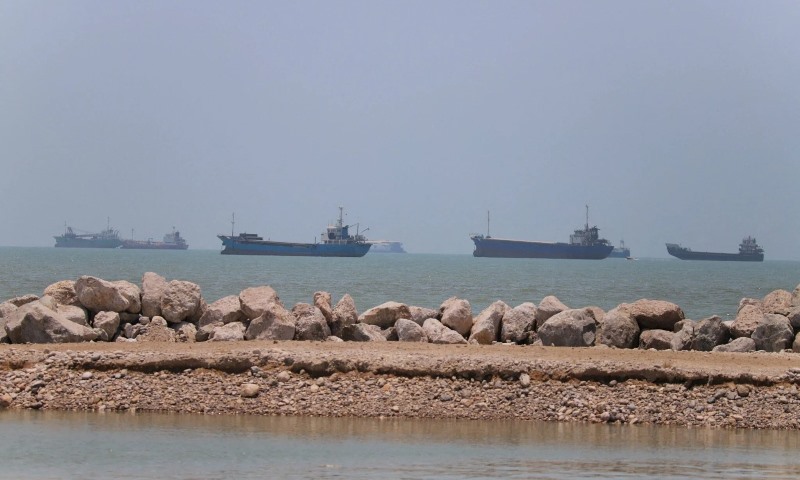
India is preparing to move 13 ships out of the Strait of Hormuz as heightened tensions in the region raise concerns over the safety of Indian seafarers, cargo and critical maritime trade routes.
According to a report by India News Network, the evacuation is being undertaken as a precautionary measure amid a deteriorating security environment around the strategic waterway. The government is closely monitoring maritime operations and plans to carry out the movement in phases, allowing shipowners and authorities to manage crew, cargo and route changes with greater caution.
Union Minister for Ports, Shipping and Waterways Sarbananda Sonowal has indicated that the evacuation will be conducted under strict safety protocols. The Ministry is coordinating with maritime agencies to minimise risks to vessels and crews operating in the sensitive maritime zone.
The Strait of Hormuz is a vital global trade chokepoint, connecting the Persian Gulf with the Gulf of Oman and the wider Indian Ocean. Any prolonged disruption can have significant implications for energy supplies, shipping schedules, freight rates and marine insurance costs.
Focus on Seafarer Safety
The move comes alongside wider efforts by the Indian government to repatriate seafarers stranded in conflict-affected areas of West Asia. Thousands of Indian seafarers have reportedly already been brought back from affected locations.
The developments underline the growing importance of seafarer welfare as geopolitical tensions increasingly disrupt maritime operations. For India, safeguarding its maritime workforce is closely linked to maintaining the resilience of its shipping and logistics networks.
Around 25 Ships Under Watch
According to the report, nearly 25 ships are currently operating in the Strait of Hormuz, making contingency planning a priority for both authorities and shipowners.
The government has urged shipping companies to follow safety advisories and consider alternative routes where necessary. Such measures could increase transit times and operating costs, but authorities appear to be prioritising crew and vessel safety over commercial schedules.
The impact could extend well beyond shipping. India’s dependence on seaborne trade and imported energy means prolonged instability in the region could affect refiners, exporters, importers, logistics companies and freight markets.
The immediate priority is to safely move the identified 13 vessels out of the high-risk area. However, if regional tensions persist, Indian shipping companies may need to reassess routes, insurance exposure, vessel deployment and supply-chain strategies.
The situation remains fluid, with authorities continuing to monitor developments and adjust their response as required. The episode once again highlights the vulnerability of global supply chains to disruptions at strategic maritime chokepoints such as the Strait of Hormuz.