
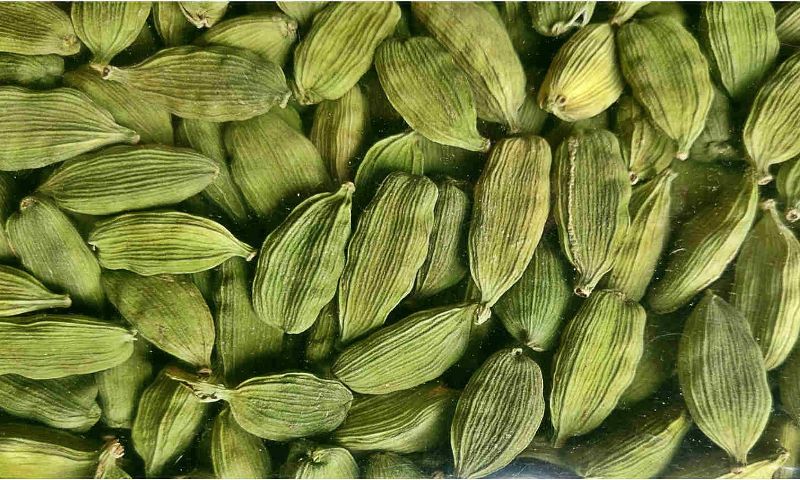
India’s cardamom exporters are set to benefit from a significant downturn in Guatemala’s cardamom crop, analysts say, positioning Indian producers to capture greater market share in global spice trade.
Guatemala — historically the world’s largest producer and exporter of cardamom — has seen production estimates for the 2024-25 season slump by around 40–50%, largely due to poor harvest conditions and crop damage, notably from pest pressures.
This sharp contraction in supply has tightened global availability of the “queen of spices,” lifting international prices and creating opportunities for Indian exports, particularly ahead of peak demand periods such as Ramadan. Exporters report a growing number of overseas inquiries and are targeting Gulf and Middle East markets where demand typically spikes in early 2025.
India’s own production has also been under strain, with yields down significantly this season due to weather and agronomic challenges. Nonetheless, Indian cardamom remains competitively priced — in some cases around 30% lower than Guatemala’s spices — helping bolster its appeal to international buyers.
Market observers caution that domestic price pressures and quality concerns, such as those stemming from pest infestations like snails, may impact export volumes if not addressed. But for now, the shortfall from Guatemala continues to open export avenues for Indian growers and traders, potentially sustaining higher export volumes through the first half of 2025.