
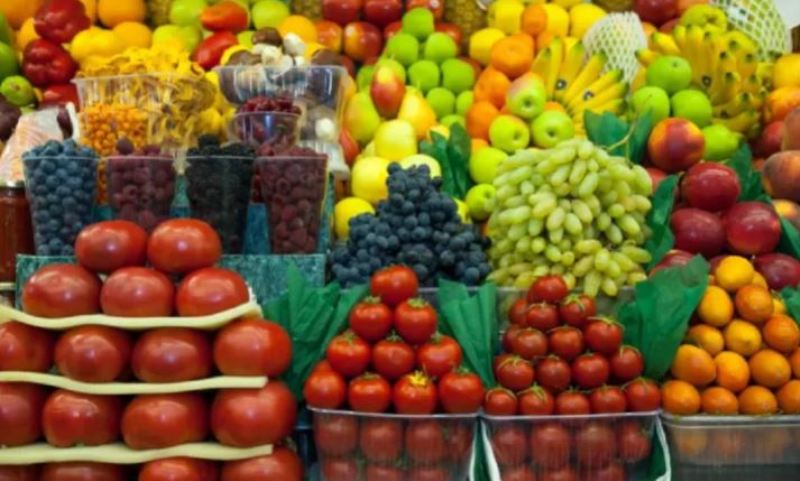
India’s fresh produce import market is witnessing a shift in sourcing patterns, with the United States gaining ground as a supplier of fruits and vegetables while China’s share declines.
The change reflects broader adjustments in India’s agricultural trade flows as importers diversify their sources and seek reliable supplies of high-value fresh produce. The US has a well-established horticultural export sector, with fruits and vegetables among its leading agricultural export categories.
The shift is significant because India’s demand for imported fruits and vegetables has been increasing alongside changing consumer preferences, rising incomes and greater availability of premium produce. Importers are increasingly looking for products that meet quality, food-safety and consistency requirements, creating opportunities for suppliers from major agricultural-exporting countries.
US agricultural exports include a broad range of horticultural products, including fresh fruits, vegetables and tree nuts. According to the US Department of Agriculture, horticultural products are an important component of American agricultural trade, while high-value agricultural products have accounted for a substantial share of growth in global food trade.
For India, greater sourcing from the US could help diversify the supply base for imported produce. This is particularly relevant for products that are not produced domestically in sufficient quantities or are available only during specific seasons.
China, meanwhile, has traditionally been an important participant in global agricultural trade. However, changes in trade relations, market access conditions and sourcing strategies can alter the competitive position of individual suppliers.
The changing pattern also comes as India seeks to expand agricultural trade and improve access to international markets. Better cold-chain infrastructure, modern packhouses, refrigerated transportation and improved logistics are expected to support the movement of imported fresh produce while reducing losses.
For US exporters, the Indian market offers significant long-term potential because of its large consumer base and expanding demand for premium food products. However, exporters still need to navigate India’s phytosanitary requirements, import regulations, tariffs and food-safety standards before expanding shipments.
The development could also encourage greater competition among international suppliers, potentially giving Indian importers more sourcing options and improving supply reliability.
While the shift away from China will depend on product-specific trade data and market conditions, the growing presence of US suppliers highlights the changing dynamics of India’s fruit and vegetable import market. With demand for quality and variety continuing to expand, India is likely to remain an increasingly important destination for global horticultural exporters.