
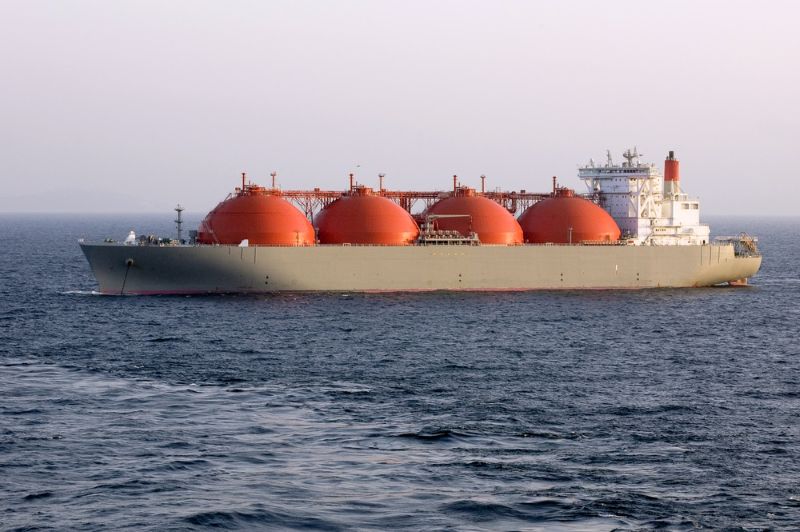
India’s liquefied natural gas (LNG) imports climbed to a six-year high, even as international gas prices surged, highlighting the country’s continued reliance on imported energy to meet rising demand.
The increase comes despite a sharp rise in LNG prices, which has made spot purchases more expensive for Indian buyers. The stronger import volumes indicate that demand for natural gas remains resilient, with utilities, industries and other consumers continuing to require supplies amid changing energy-market conditions.
India has steadily expanded its use of natural gas as part of efforts to diversify its energy mix and reduce dependence on more carbon-intensive fuels. LNG plays a critical role in meeting demand because domestic gas production is not sufficient to cover the requirements of the country’s growing consumption base.
The latest surge also reflects the importance of LNG in India’s power and industrial sectors. Gas-fired power plants can turn to LNG when electricity demand rises or when other fuels become less attractive, while industries such as fertiliser, chemicals and refining rely on natural gas as an important feedstock or fuel.
Higher global prices, however, are creating additional cost pressures for importers. India is particularly exposed to movements in international LNG prices because a significant portion of its gas requirements must be sourced from overseas. Price volatility can therefore influence procurement decisions, domestic gas prices and the competitiveness of gas-consuming industries.
The increase in imports comes amid broader changes in global LNG trade. Supply availability, weather conditions, geopolitical developments and competition from major Asian buyers can all affect spot prices and cargo flows. Indian buyers have consequently had to balance the need to secure adequate supplies with the challenge of managing higher procurement costs.
Long-term LNG contracts provide some protection from short-term price volatility, but additional spot purchases may be required when domestic demand rises or contracted volumes are insufficient. The latest import growth suggests that Indian buyers have continued to secure cargoes despite the more expensive market environment.
For India, sustained LNG demand could also support greater utilisation of the country’s regasification infrastructure and encourage further investment in gas distribution networks. Expanding pipeline connectivity and city-gas networks is expected to increase the potential market for imported natural gas.
At the same time, elevated LNG prices could encourage consumers to optimise their fuel mix and could limit gas demand in price-sensitive sectors. The balance between affordability, energy security and environmental objectives will remain important as India expands natural gas consumption.
The six-year-high import volumes underline the growing role of LNG in India’s energy system. However, the simultaneous rise in prices highlights the challenge facing the country: securing sufficient gas supplies while limiting exposure to volatile international energy markets.