
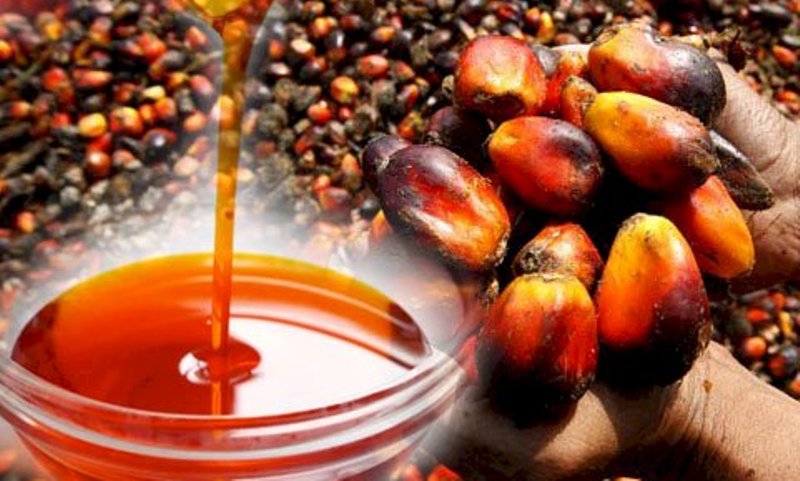
India’s palm oil imports from Malaysia have increased by 40%, highlighting stronger trade flows between the two countries and continued demand for palm oil in the Indian market.
Malaysia remains one of the major suppliers of palm oil to India, which is the world’s largest importer of edible oils. The rise in Malaysian shipments comes as Indian refiners and traders respond to domestic consumption requirements and changing global edible oil prices.
The increase in imports also reflects Malaysia’s growing role in meeting India’s palm oil demand. Competitive pricing, availability and established shipping links have supported trade between the two markets.
India’s edible oil industry closely tracks international palm oil prices and supplies from major producing countries, including Malaysia and Indonesia. Changes in import duties, currency movements, freight costs and price differences with other vegetable oils can influence buying decisions by Indian refiners.
Palm oil is widely used in India’s food processing, restaurant, personal care and consumer goods industries. Import trends therefore remain closely linked to domestic demand as well as the relative pricing of palm, soybean and sunflower oils.
The stronger flow from Malaysia could provide additional supply for Indian buyers while supporting Malaysia’s position in the Indian edible oil market. Future import volumes are likely to depend on global prices, Indian demand and the competitiveness of Malaysian palm oil against alternative vegetable oils.
The latest increase underscores the importance of Malaysia–India trade in the broader Asian edible oil market and comes as India continues to diversify its sources of agricultural and food commodity imports.