
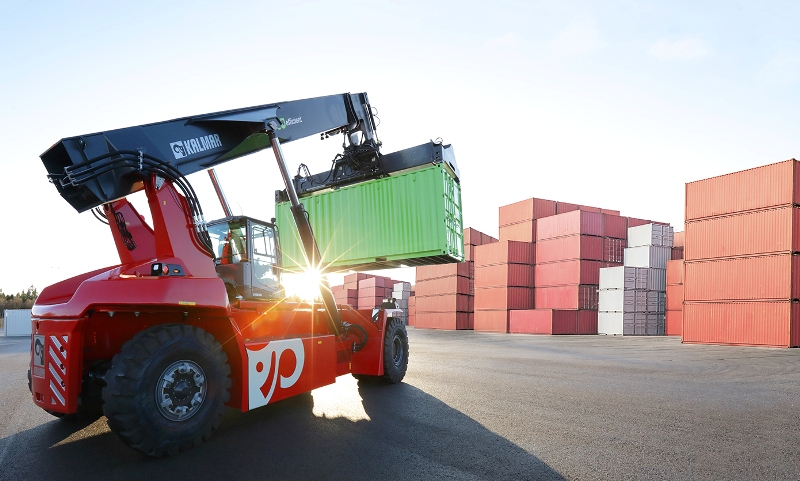
Kalmar has secured a new contract to supply electric reachstackers to logistics and terminal operator Steinweg, marking another step in the ongoing transition toward lower-emission cargo handling operations. The order highlights growing demand for electrified equipment as ports, terminals, and logistics companies pursue sustainability and decarbonization goals.
The electric reachstackers will be deployed to support container and cargo handling activities, providing Steinweg with a solution that reduces emissions while maintaining operational performance. Compared with conventional diesel-powered equipment, electric reachstackers can help lower energy consumption, reduce maintenance requirements, and minimize environmental impacts.
The agreement reflects a broader industry trend toward the adoption of battery-powered cargo handling equipment as operators seek to comply with stricter environmental regulations and corporate sustainability targets. Electrification is increasingly being viewed as a key pathway for reducing carbon emissions across port and terminal operations.
Kalmar has been expanding its portfolio of electric and eco-efficient equipment in response to rising customer demand for cleaner technologies. The company’s electric reachstackers are designed to support heavy-duty cargo handling while offering the benefits of quieter operation and reduced local emissions.
For Steinweg, the investment aligns with efforts to modernize its equipment fleet and improve the environmental performance of its logistics and terminal activities. The deployment of electric machinery is expected to contribute to more sustainable operations while supporting productivity and efficiency requirements.
Industry observers note that orders for electric cargo handling equipment are becoming increasingly common as terminal operators accelerate their transition toward greener operations. The latest contract underscores the momentum behind electrification in the port and logistics sector and reflects the industry’s commitment to reducing its environmental footprint while maintaining high operational standards.