
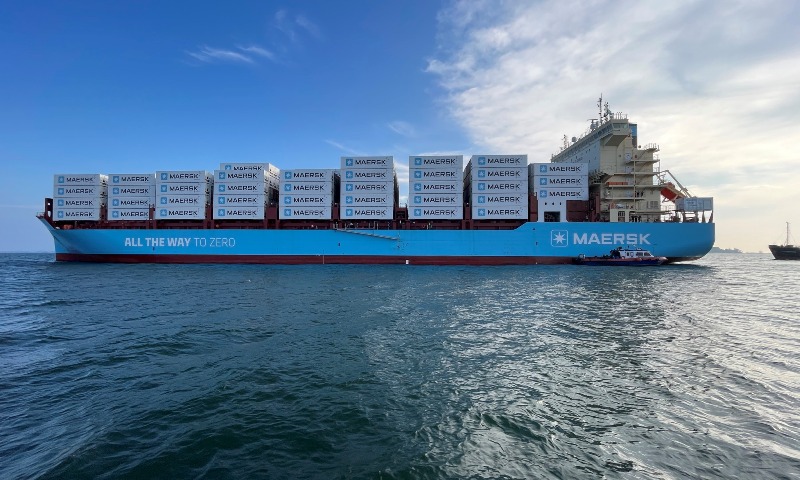
Maersk has removed its peak season surcharge on less-than-container-load (LCL) shipments moving from Asia to Europe, reducing an additional cost previously applied to cargo on the trade lane.
The change applies to LCL cargo, which is used by shippers whose consignments do not require a full container. By removing the surcharge, Maersk is adjusting its pricing structure for smaller-volume shipments during the peak season.
LCL services allow multiple customers to share container space, providing an option for businesses that ship smaller consignments and do not need to book an entire container.
The removal of the surcharge could provide greater cost predictability for exporters shipping from Asian markets to European destinations. It may also support businesses that rely on regular smaller-volume shipments to maintain inventory and supply-chain flows.
Asia–Europe remains a major global trade corridor, connecting manufacturing and export centres in Asia with consumer and industrial markets across Europe. Changes in freight charges on the route can influence shipping decisions and overall logistics costs.
Maersk’s latest pricing adjustment comes as carriers continue to manage capacity, demand and seasonal fluctuations across major container trade lanes.
The removal of the LCL peak season surcharge gives shippers an additional cost advantage when moving smaller consignments from Asia to Europe and provides greater clarity on shipping expenses during the peak period.