
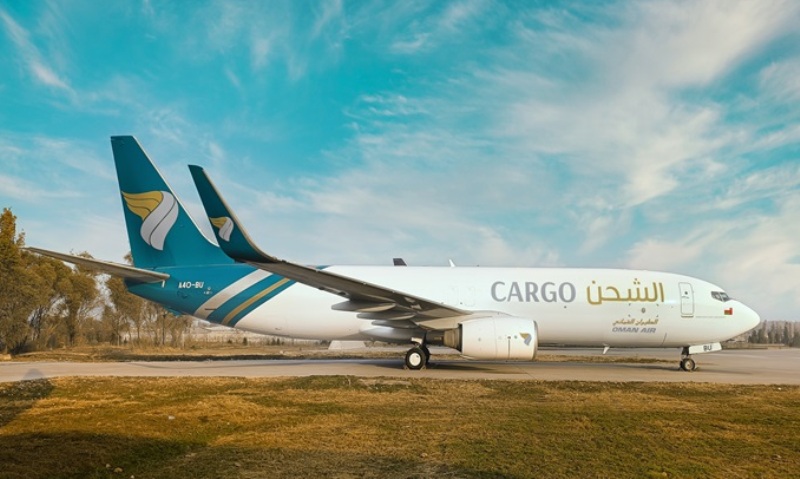
Oman Air Cargo has signed a deal with Revenue Technology Services (RTS) for the implementation of a comprehensive suite of digital solutions to automate key revenue and pricing processes in the airline’s cargo operational systems.
The partnership will support Oman Air to enhance efficiency, make more informed pricing decisions, optimise utilisation of its belly cargo capacity, and ultimately, deliver superior customer experiences.
Ahmed Al Amry, Chief Transformation Officer at Oman Air, said: “Our partnership with RTS represents a strategic investment in the future of our Cargo business. As air cargo continues to play an increasingly important role in airline revenue, it’s essential for us to leverage cutting-edge technologies to optimise operations, drive profitability and secure our long-term sustainability.”
Challenging industry norms
Raja Kasilingam, President of RTS, said: “The collaboration highlights both companies’ commitment to challenging industry norms and driving significant improvements in air cargo handling.”
Oman Air’s agreement with RTS represents an important part of the airline’s wider transformation journey, demonstrating its willingness to embrace change and innovation for the benefit of its passengers and cargo customers.
Over the course of four years, the transformation will focus on four key pillars – financial sustainability, commercial optimisation, human capital development, and enhanced corporate governance – to secure financial stability and lay the foundation for long-term success and growth.