
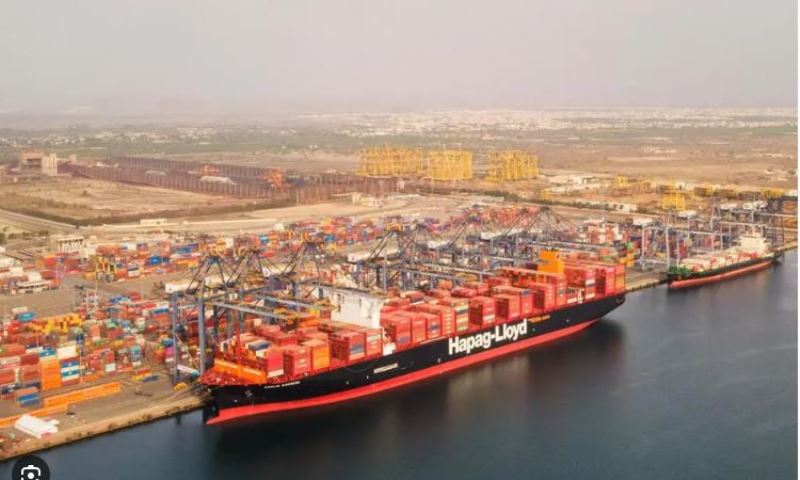
The proposed acquisition of ZIM Integrated Shipping Services by Hapag-Lloyd is facing growing opposition as concerns over further consolidation in the container shipping industry intensify. The $4.2 billion transaction, announced in February, would make Hapag-Lloyd the world’s fifth-largest container shipping group, with more than 400 vessels and capacity exceeding 3 million TEU.
The deal has already secured strong backing from ZIM shareholders, with 97.3% voting in favour of the transaction in May. However, regulatory scrutiny has continued to increase, creating uncertainty over whether the acquisition can be completed as planned by the end of 2026.
Brazil has emerged as a significant new hurdle. The country’s Administrative Council for Economic Defense (Cade) has decided to conduct a full-form review after identifying overlapping operations on several major trade routes. These include services between the west and east coasts of South America, Central America and the Caribbean to the east coast of South America, and North America to the east coast of South America.
The Brazilian review comes alongside concerns raised by Israeli lawmakers and other stakeholders about the implications of the transaction. Freight forwarders have also voiced opposition, reflecting broader industry concerns that another major liner consolidation could reduce competition and increase the concentration of capacity among the largest carriers.
If completed, the Hapag-Lloyd-ZIM combination would significantly strengthen Hapag-Lloyd’s global network and expand its position across key trades. Hapag-Lloyd has said the enlarged group would transport more than 18 million TEU annually and provide customers with a broader network across major global markets.
Until all necessary approvals are secured, Hapag-Lloyd and ZIM will continue operating independently and remain competitors. The companies are targeting completion by the end of 2026, but the expanding regulatory and industry resistance could make that timetable increasingly difficult to achieve.
The growing scrutiny highlights the wider debate over consolidation in container shipping, where a series of mergers, acquisitions and alliance changes has steadily increased the influence of a small number of major carriers. For shippers and freight forwarders, the outcome of the Hapag-Lloyd-ZIM transaction could have important implications for competition, network choices and pricing across several key trade lanes.