
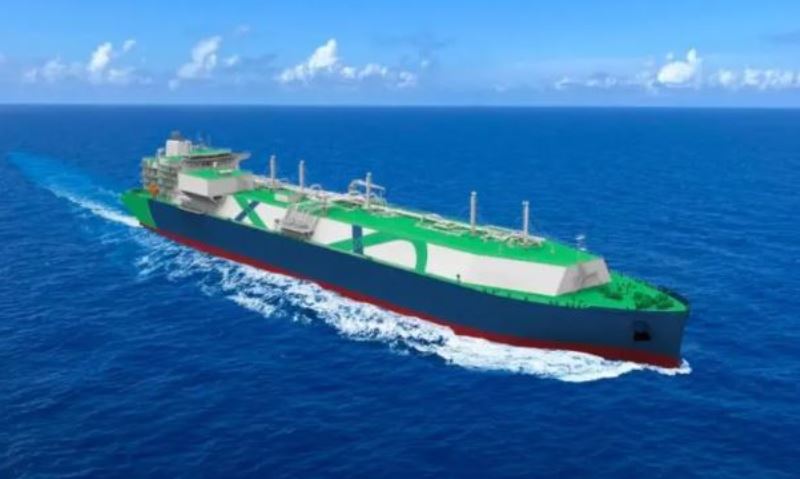
Qatar has resumed liquefied natural gas (LNG) exports through the Strait of Hormuz, with the first cargo transiting the strategic waterway after a three-week interruption. The resumption marks a significant step toward restoring normal energy trade flows following heightened regional security concerns that disrupted vessel movements in one of the world’s most critical maritime chokepoints.
The return of LNG shipments is expected to ease concerns among global energy markets, as Qatar is one of the world’s largest LNG exporters and a key supplier to customers across Asia and Europe. The renewed movement of cargoes through Hormuz is likely to improve supply reliability and reduce pressure on spot LNG prices, which had been supported by fears of prolonged shipping disruptions.
Shipping companies and energy traders continue to closely monitor security conditions in the Gulf region, with vessels maintaining enhanced safety protocols while transiting the Strait of Hormuz. The waterway handles a significant share of global LNG and crude oil exports, making uninterrupted navigation vital for international energy supply chains.
Industry analysts said the resumption of Qatari LNG shipments signals improving confidence in maritime operations, although geopolitical risks remain a key factor for shipping and energy markets. Any renewed disruption could affect freight rates, insurance costs, and energy prices, underscoring the strategic importance of the Hormuz route.
The restart of LNG exports is expected to provide reassurance to importing nations and support greater stability in global gas markets as demand for cleaner energy continues to grow.