
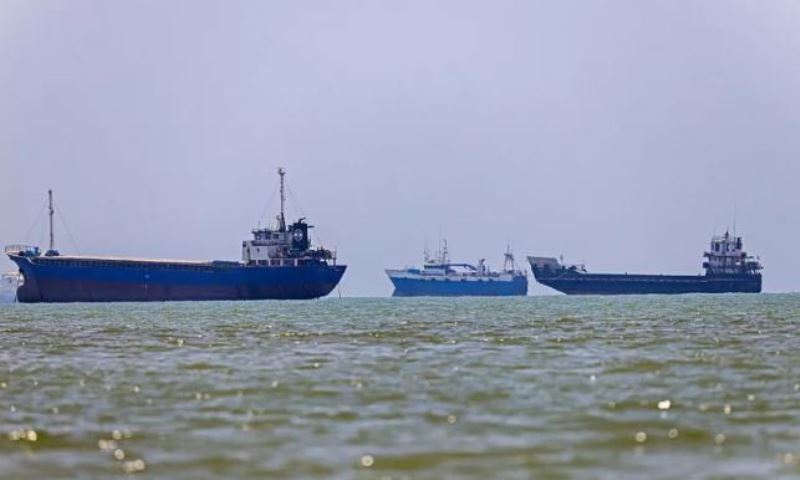
Reliance Industries has secured a supertanker at a record freight rate to transport Iraqi crude oil to India, highlighting the sharp rise in tanker shipping costs amid tight vessel availability and changing crude trade flows.
The booking reflects the increasing cost of moving large volumes of crude by sea, with freight rates influenced by vessel availability, route disruptions and shifts in global oil trade patterns. For Reliance, securing tanker capacity ensures the timely movement of crude needed for its large refining operations in India.
Iraq is an important crude supplier to India, and Iraqi barrels form part of the diverse feedstock mix used by Indian refiners. Reliance’s refining complex at Jamnagar is capable of processing a wide range of crude grades, allowing the company to adjust its sourcing according to availability and economics.
The unusually high freight rate also highlights the pressure currently facing crude tanker markets. Longer voyage distances, changes in vessel deployment and disruptions to established shipping routes can reduce effective tanker capacity and push freight costs higher.
Higher freight expenses can affect the delivered cost of crude for refiners, particularly when transportation rates rise sharply. However, refiners may continue to book vessels when crude economics and refinery margins justify the additional logistics cost.
The Reliance booking therefore provides an indication of the broader pressures in the crude tanker market and the changing economics of transporting Middle Eastern oil to Asian buyers. Continued volatility in tanker availability and international shipping routes could keep freight rates elevated and influence crude procurement strategies in the months ahead.