
Seven mid-sized Asian carriers are launching a China-Mexico joint service, a tradelane that has boomed in the 2020s, but is now clouded with the return of Donald Trump to the White House.
According to analysts at Alphaliner, Emirates Shipping Line (ESL), KMTC, Regional Container Lines (RCL), SeaLead, Sinokor, Sinotrans and TS Lines will launch the weekly service linking China and South Korea with Manzanillo on Mexico’s west coast at the end of next month, marking the first time these carriers have serviced the west coast of Latin America.
Each partner is expected to contribute one vessel, with a first sailing due from Shanghai on 30 April.
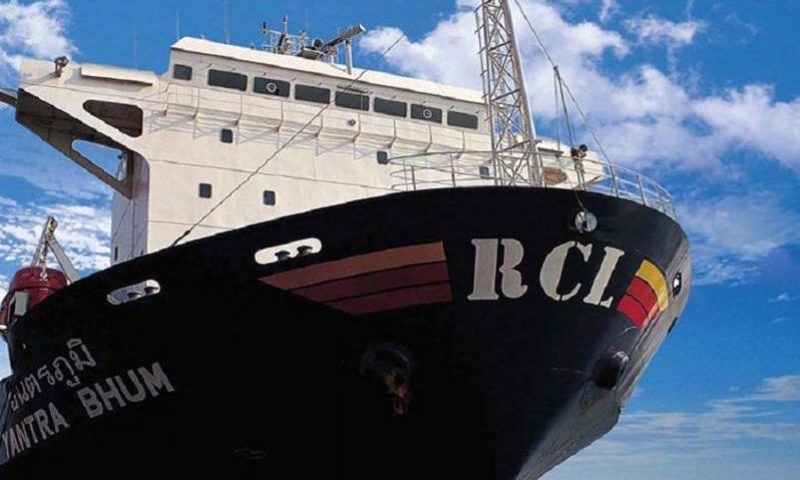
“This strategic move marks RCL’s entry into the growing Mexican market, positioning the company to serve an expanding customer base with reliable shipping solutions,” Thai carrier RCL stated in a release.
Media has reported repeatedly on the remarkable growth in container calls from Asia to Mexico. In 2023, Mexico overtook China as America’s top trade partner. In recent years, direct investment from Chinese companies into Mexico has experienced significant growth. Chinese companies now represent the fastest-growing source of foreign investment in Mexico.
However, with Donald Trump now back in charge of the US, tariffs are raining in on both Mexico and China.