
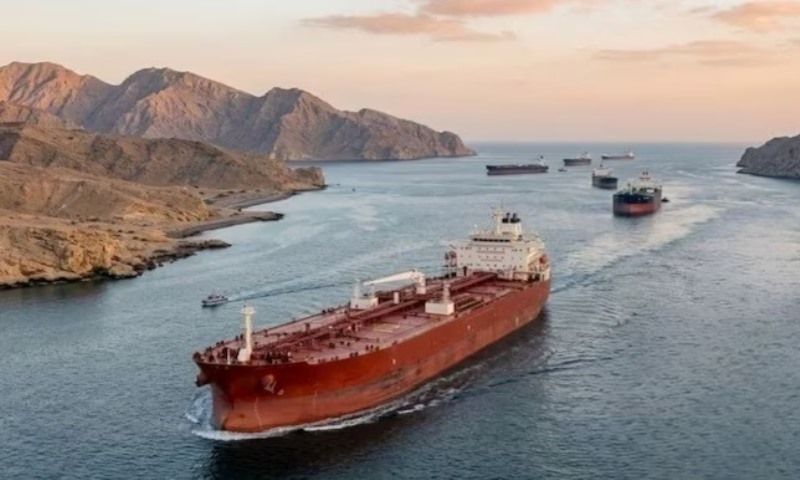
Leading global shipping organizations have called on the United Nations (UN) and the International Maritime Organization (IMO) to oppose any proposal to impose transit fees on vessels passing through the Strait of Hormuz, warning that such charges could disrupt international trade, increase shipping costs, and undermine the long-standing principle of freedom of navigation.
In a joint appeal, the industry groups argued that the Strait of Hormuz is a vital international waterway through which a significant share of the world’s crude oil, liquefied natural gas (LNG), and containerized cargo is transported. They said introducing mandatory transit tolls would place an additional financial burden on shipowners, charterers, and cargo owners, ultimately raising costs across global supply chains.
The organizations emphasized that international maritime law supports the right of transit passage through strategic straits used for international navigation. They urged the UN and IMO to uphold established legal frameworks and ensure that ships can continue to navigate the waterway without the imposition of unilateral fees or restrictions.
Shipping executives cautioned that additional charges could affect vessel routing decisions, increase freight rates, and create uncertainty for global energy and commodity markets. The Strait of Hormuz remains one of the world’s busiest maritime chokepoints, making uninterrupted access essential for the smooth movement of oil, gas, manufactured goods, and other cargo.
The industry also highlighted the importance of maintaining predictable and transparent operating conditions for international shipping, particularly at a time when supply chains continue to face challenges from geopolitical tensions, security concerns, and fluctuating freight markets.
Maritime stakeholders are now awaiting responses from the UN and IMO, while continuing to advocate for policies that preserve free navigation and protect the efficiency of global trade routes. The outcome of the discussions could have significant implications for shipping operators, energy exporters, and import-dependent economies that rely on the strategic waterway.