
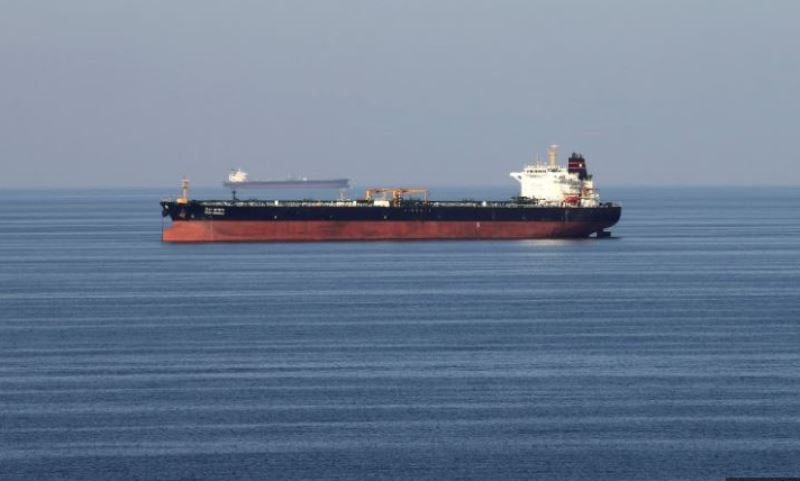
The United States has disabled a second merchant vessel attempting to enter Iranian ports, underscoring the growing risks to commercial shipping as the conflict between Washington and Tehran intensifies across the Persian Gulf and the Red Sea.
According to the US Central Command (CENTCOM), American forces fired on the M/T Lavine in the Gulf of Oman after the vessel allegedly ignored repeated warnings and made multiple attempts to breach the US-imposed naval blockade of Iranian ports. US forces reportedly targeted the ship’s engine room, rendering it inoperable. CENTCOM said it has also redirected 12 merchant vessels since the blockade was reinstated.
The incident follows the July 15 disabling of the Curacao-flagged tanker Belma, which was attempting to reach Iran’s Kharg Island oil terminal. The US military said the vessel failed to comply with warnings before being disabled by a missile strike.
Shipping Lanes Under Severe Pressure
The latest developments further heighten concerns over the security of two of the world’s most critical maritime chokepoints—the Strait of Hormuz and the Bab el-Mandeb Strait.
The Strait of Hormuz, through which nearly 20% of global oil and gas supplies normally transit, remains heavily disrupted by ongoing hostilities. CENTCOM said its operations are aimed at restoring freedom of navigation and protecting commercial shipping from Iranian threats.
Meanwhile, Iranian-backed Houthi rebels have expanded attacks in the Red Sea, targeting Saudi oil tankers and threatening to close the Bab el-Mandeb Strait, a route that carries approximately 12% of global trade and nearly 25% of the world’s container traffic.
Saudi Arabia responded with strikes on Yemen’s Hodeida port and warned it would continue taking necessary measures to safeguard its maritime interests.
Regional Military Escalation
Military exchanges widened across the region on Friday. Iranian Revolutionary Guard forces claimed attacks on US military facilities in Kuwait and Bahrain, while explosions were reported near US positions in Iraq’s Kurdistan region.
Inside Iran, reports indicated US strikes targeted Revolutionary Guard naval facilities, including locations on Qeshm Island, Isfahan Province, Khuzestan and Fars Province.
Neither side showed signs of de-escalation despite US President Donald Trump’s remarks that negotiations with Iran remain “the most serious” seen so far. Iranian Foreign Minister Abbas Araghchi maintained that Tehran would not yield to US pressure.
Maritime Industry Faces Growing Crisis
The conflict is placing mounting pressure on global shipping and energy markets.
The International Maritime Organization estimates that around 6,000 seafarers remain stranded aboard nearly 400 vessels in and around the Strait of Hormuz. The UN has expressed concern over deteriorating humanitarian conditions onboard several ships, with reports of crews facing shortages of food, fuel, water, electricity and medical supplies.
Brent crude oil remained elevated at around US$96 per barrel, significantly above pre-conflict levels, while shipping operators continue to grapple with rising war-risk insurance premiums, rerouting costs and operational uncertainty.
As military operations expand across the Gulf, the Red Sea and Yemen, the maritime industry faces increasing disruption, with vessel operators, charterers and cargo owners closely monitoring security developments along two of the world’s busiest shipping corridors.