
The United States and Iran suspended military strikes for a second consecutive day on Sunday, raising cautious hopes for renewed diplomacy as mediators worked to restore an interim ceasefire agreement that has been under severe strain following recent hostilities.
The pause follows nearly two weeks of escalating tensions that began after Iran targeted ships transiting the Strait of Hormuz, triggering US military strikes on Iranian coastal infrastructure and retaliatory attacks by Tehran.
The White House said President Donald Trump continues to prefer a diplomatic solution while maintaining all military options. “It would be wise for Iran to work toward a negotiated deal. Otherwise, they know what will happen,” White House Communications Director Steven Cheung said.
Iran confirmed it had also halted military operations after the US suspended its attacks for two nights. Tehran’s military said the pause was reciprocal, even as it reiterated its readiness to respond to any future aggression.
Regional mediators described the suspension of hostilities as a positive step toward de-escalation. According to officials involved in the talks, both countries are attempting to return to the interim ceasefire framework signed in mid-June, with negotiations focusing on easing restrictions on commercial vessel movements through the Strait of Hormuz.
Despite the temporary calm, significant issues remain unresolved, particularly Iran’s nuclear programme, which was expected to be a key part of the ongoing 60-day negotiation process.
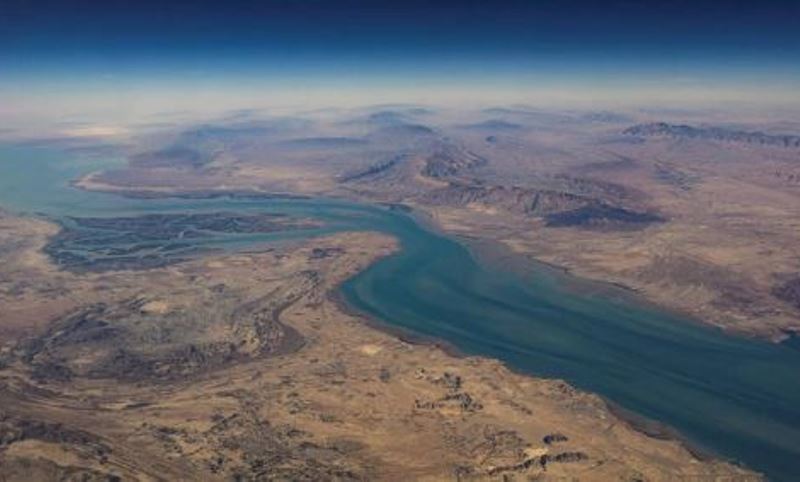
Shipping security continues to be a major concern. Iran said discussions with Oman on ensuring safe navigation through the Strait of Hormuz are progressing, while maintaining that the status of the strategic waterway remains unchanged.
Meanwhile, the US military said its naval blockade operations against Iran remain in force, reporting that 12 commercial vessels had been redirected, two disabled and two boarded. US forces remain on high alert to safeguard maritime security in the Gulf.
Concerns have also spread to the Bab al-Mandeb Strait after Yemen’s Iran-backed Houthi rebels threatened to disrupt Saudi shipping, adding to fears of further disruptions to global energy supplies and international trade.
Israeli Prime Minister Benjamin Netanyahu is scheduled to meet President Trump in Washington on Tuesday to discuss Iran and regional security. Netanyahu expressed full support for US efforts to curb Iran’s nuclear ambitions through diplomacy but warned that Israel would respond forcefully if Iran or its allied groups launch fresh attacks.
While the current pause in military action has created an opportunity for diplomacy, uncertainty continues to surround Iran’s nuclear programme and the security of key global shipping routes, leaving the region on edge.