
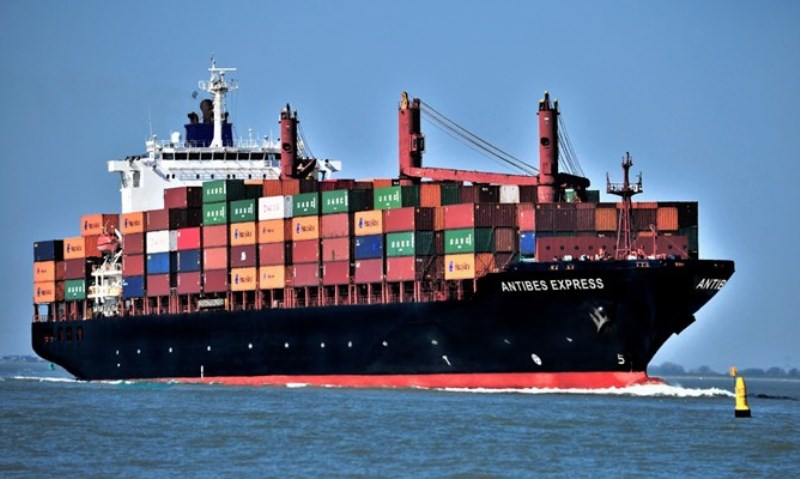
Congestion levels are set to rise at ports across Northern Europe – expect schedule disruption, warned Maersk this week.
The Danish carrier warned its customers of “increasing congestion levels and operational disruptions,” highlighting Antwerp-Bruges and Bremerhaven as particular choke points.
According to maritime intelligence database eeSea, 41% of the vessels at Antwerp are waiting for a berth, with 52 more containerships on their way to the Belgian port. At Bremerhaven, 29% of vessels are waiting, with 27 ships incoming.
According to Kuehne + Nagel, Antwerp is experiencing “heavily disrupted operations”.
“The seven-day average vessel waiting time is around 1.81 days. Yard utilisation is high, at 96%, and reefers at 112%, causing berthing delays. Antwerp has reduced the export delivery window from seven days to five days to manage terminal congestion. An overall backlog due to the strike on 31 March persists,” it said.
A spokesperson for the port of Antwerp-Bruges said today: “We can confirm that volumes are currently very high… The main reasons are the phasing in and out of new alliances that will take a few more weeks to be settle down, and anticipation of the US import tariffs.”
Maersk advised its shipper customers: “In order to improve the situation and help speed up the recovery of the terminals, we strongly urge you to clear your cargo from the terminal as soon as possible after discharge, and to deliver export units as late as possible.”
The carrier added that low water levels across the continental hinterland, and reduced labour availability ahead of the Easter holidays, were also contributing to congestion.
Indeed, media has previously reported on water levels in the Rhine restricting barge capacity and leading to tiered surcharges based on how low it gets, continued strikes at Le Harve, and the short-term disruption caused by the overlap and omission of vessels as carriers shift services to align with their new alliance.