
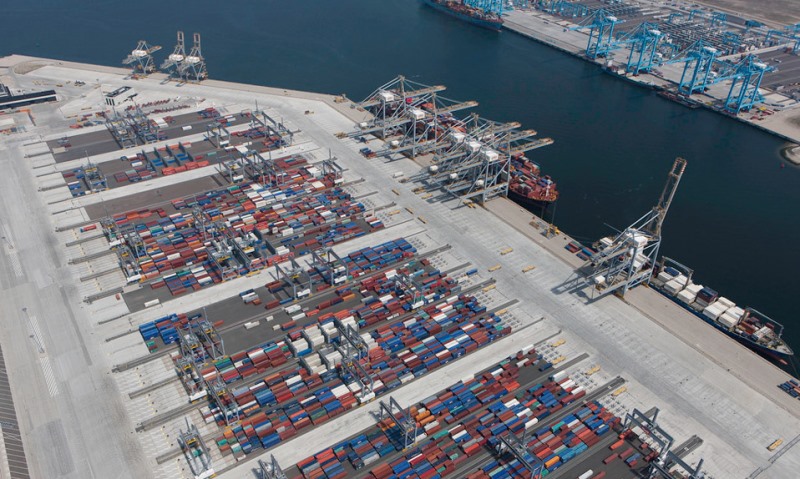
The Port of Rotterdam reported a 2 per cent decline in total cargo throughput, as energy transition dynamics and softer bulk volumes weighed on overall performance.
Port data indicated that the dip was largely driven by reduced fossil fuel-related cargoes, including coal and certain oil products, reflecting Europe’s accelerating shift toward renewable energy and lower industrial demand. Dry bulk volumes in particular recorded a contraction, while container throughput remained relatively stable amid mixed trade conditions.
Despite the marginal decline in total tonnage, Rotterdam continued to advance its sustainability agenda, with increased handling of biofuels, hydrogen-related cargoes, and other energy transition commodities. Port authorities emphasized that the long-term strategy prioritizes decarbonisation, digitalisation, and industrial transformation over short-term volume growth.
Investments in carbon capture and storage infrastructure, shore power facilities, and green hydrogen projects are ongoing, positioning the port as a key hub in Europe’s energy transition landscape. Officials noted that while traditional cargo segments may fluctuate, new energy and circular economy streams are expected to drive future resilience.
The Port of Rotterdam said it remains focused on strengthening supply chain efficiency and supporting customers through regulatory changes and evolving environmental standards, even as throughput trends reflect broader structural shifts in global trade and energy markets.