
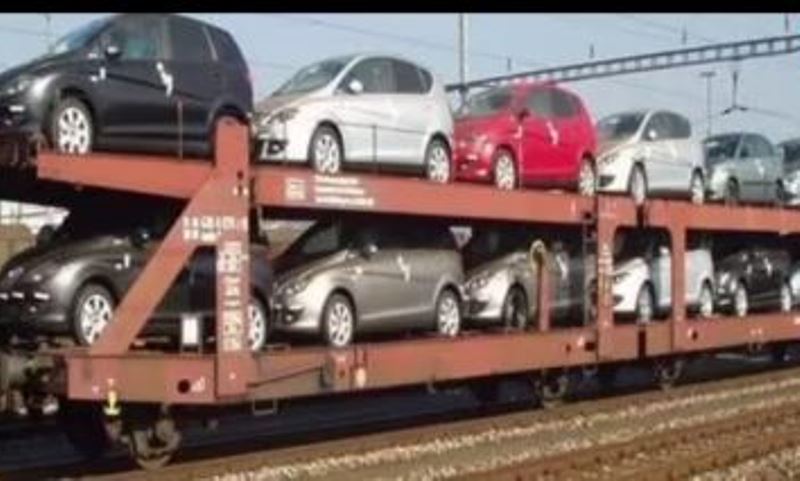
The Western Railway’s Ahmedabad Division has achieved a significant milestone by transporting more than 3 lakh automobiles by rail between April 2025 and January 2026, underscoring a rapid growth in rail-based vehicle logistics.
Officials said the surge in car transport reflects a broader shift in Indian Railways’ freight strategy, with rail’s share in car movement rising from roughly 1 % a decade ago to over 24 % today. This increase highlights rail transport’s expanding role in supporting the automotive supply chain and reducing dependence on long-haul road logistics.
Hansalpur Siding: A Game Changer
A key driver of this success has been the plant railway siding project at Hansalpur in Gujarat, linked directly to the Ahmedabad Division network. The facility has greatly enhanced the division’s ability to dispatch vehicles efficiently at scale, improving freight capacity, operational turnaround and asset utilisation.
The Hansalpur project has earned international recognition as the world’s first “modal shift transportation project”, a testament to its impact on freight logistics innovation. Railway officials described this as a major achievement for the division.
Economic and Environmental Benefits
In addition to logistics advantages, increased rail transport of vehicles has also brought environmental benefits. The shift from road to rail is estimated to reduce around 1.7 lakh tonnes of carbon emissions. Rail transport for vehicles is also typically 15–20 % cheaper than road transport, providing cost savings for manufacturers and freight customers.
Officials said the success of rail-based car movement is expected to encourage further development of private freight terminals and more railway sidings across the Ahmedabad Division, supporting future growth in rail freight and contributing to more sustainable logistics practices.