
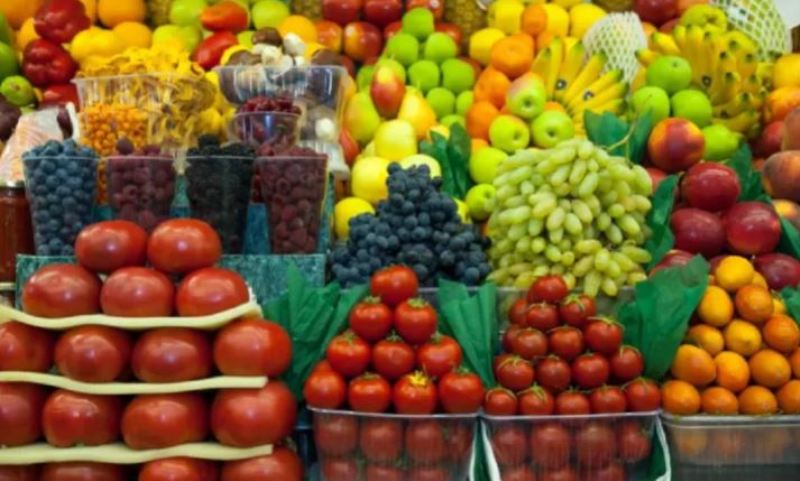
India is stepping up efforts to reduce its dependence on imported fruits while simultaneously promoting the export of domestically grown horticultural produce, as part of a broader strategy to strengthen the agricultural trade balance.
Government officials and industry stakeholders are focusing on enhancing domestic production capacity, improving post-harvest infrastructure, and expanding cold chain networks to support higher-quality output. The initiative aims to reduce import volumes of premium fruits while enabling Indian growers to tap into growing demand in international markets.
India’s horticulture sector, which includes fruits, vegetables, spices, and floriculture products, has witnessed steady growth in recent years. Authorities are now looking to leverage this momentum by identifying export-oriented clusters and promoting value-added processing to improve global competitiveness.
Efforts are also underway to streamline supply chains and ensure compliance with international quality and phytosanitary standards, which are critical for accessing key export markets in Europe, the Middle East, and Asia.
Industry experts note that reducing fruit imports could help support local farmers and stabilize domestic prices, while a stronger export push may generate higher incomes and create new opportunities across the agri-value chain.
The policy direction aligns with India’s broader goal of boosting agricultural exports and achieving greater self-reliance, while positioning itself as a major supplier of high-quality horticultural products in the global market.