
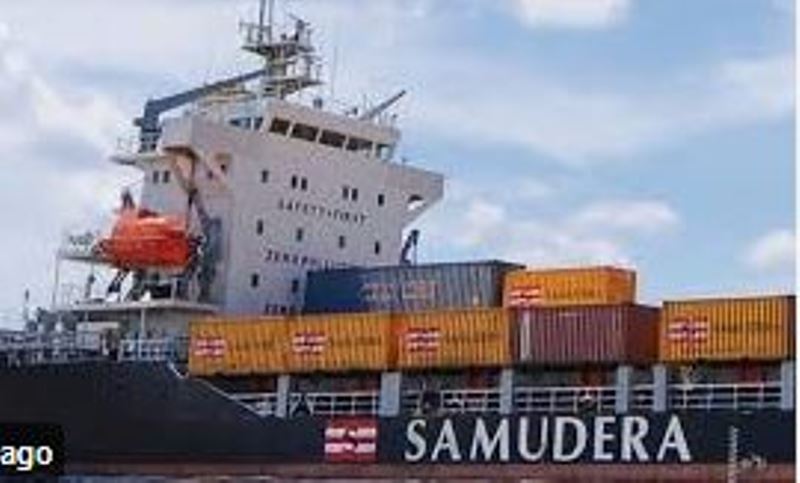
Samudera Shipping Line reported stronger performance for the first half of 2026, supported by improved operating conditions across its shipping and logistics businesses.
The company benefited from resilient cargo demand and continued activity across its regional shipping network. Improved vessel utilisation and operational efficiency also supported the group’s performance during the period.
Samudera’s shipping operations remained a key contributor, while its logistics and related businesses continued to support overall revenue generation. The company has maintained its focus on strengthening its regional network and improving service efficiency amid evolving trade patterns.
The first-half performance comes against a backdrop of continued uncertainty in global shipping markets, including fluctuating freight rates, geopolitical disruptions and changing trade flows. These factors have encouraged carriers and logistics operators to optimise capacity and focus on operational efficiency.
Samudera said its performance demonstrates the resilience of its business model and its ability to respond to changing market conditions. The company is expected to continue focusing on fleet utilisation, network development and cost management during the remainder of 2026.
The stronger H1 performance provides a positive foundation for Samudera as it enters the second half of the year, although freight-rate movements, fuel costs and global trade conditions will remain important factors influencing its results.