
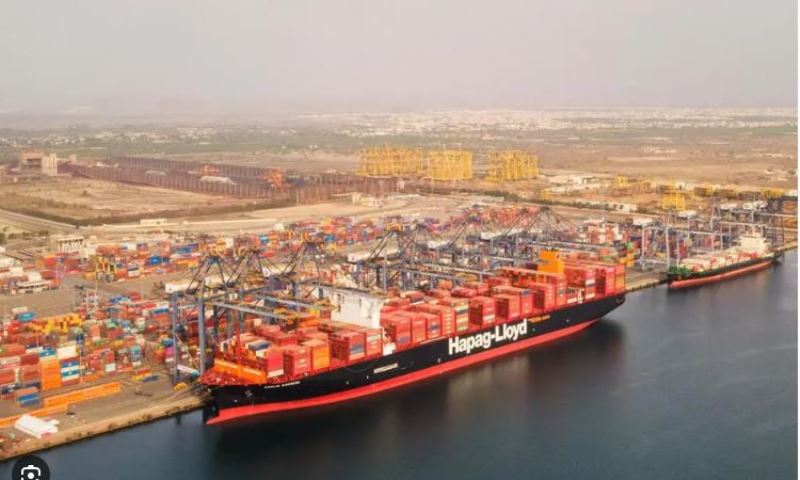
Hapag-Lloyd has announced adjustments to its Peak Season Surcharge (PSS) rates across several international trade lanes as the carrier continues to revise its pricing structure in response to changing market conditions.
The updated surcharges apply to selected origin-destination combinations and are intended to cover additional costs associated with peak-season operations, including capacity management and higher operational expenses.
The latest changes affect multiple trades, with the applicable PSS varying according to the trade lane, origin, destination, container type and effective date. Customers shipping during the affected periods are advised to review the revised tariff carefully when planning new bookings.
Hapag-Lloyd regularly uses PSS adjustments to respond to fluctuations in cargo demand and available vessel capacity. Such surcharges can have a direct impact on the landed cost of goods, particularly for exporters and importers moving high volumes during periods of stronger demand.
The carrier has advised customers to contact their local Hapag-Lloyd representatives for the detailed surcharge levels applicable to individual shipments. The company’s latest pricing updates form part of its ongoing efforts to align freight charges with operating conditions across its global network.
For shippers, the changes underline the importance of monitoring carrier surcharge announcements closely, particularly on trades experiencing capacity constraints or seasonal demand increases.