
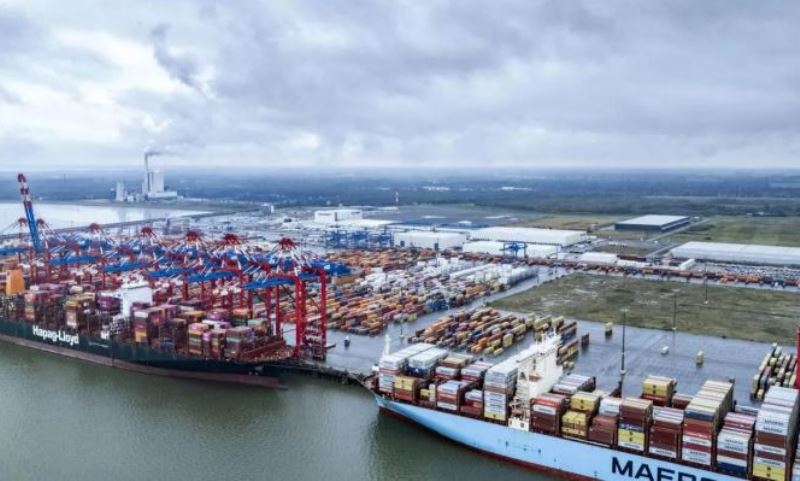
Disruption around the Strait of Hormuz is creating operational and commercial challenges for major container shipping lines Maersk and Hapag-Lloyd, as carriers assess vessel movements, cargo flows and network schedules amid continued uncertainty in the region.
The Strait of Hormuz is a critical maritime gateway for global energy and regional trade. Any restrictions or disruption affecting vessel movements through the waterway can have wider consequences for shipping schedules, fuel markets and supply chains.
For Maersk and Hapag-Lloyd, the situation adds another layer of complexity to an already challenging operating environment. Carriers must balance vessel safety, schedule reliability and customer requirements while assessing whether particular services can continue operating as planned.
Potential disruptions can result in longer transit times if vessels are diverted or forced to wait for safer operating conditions. Such delays can also affect subsequent port calls, equipment availability and connections across wider shipping networks.
The impact extends beyond the two carriers. Importers and exporters using services connected to the Middle East could face changes to sailing schedules and cargo delivery times. Any prolonged disruption could also increase logistics costs as shipping lines adjust their networks and manage additional operational requirements.
Fuel costs represent another potential concern. Longer voyages, changes in routing and additional waiting time can increase vessel operating expenses. These pressures could ultimately influence freight rates and surcharges on affected trade lanes.
At the same time, the disruption may create opportunities for carriers with more flexible network structures and alternative routing options. Maersk and Hapag-Lloyd will need to continuously evaluate regional conditions and adjust their operations accordingly.
The situation remains dependent on developments around the Strait of Hormuz. A prolonged disruption could have a broader impact on Middle East trade and global shipping networks, while a return to stable navigation conditions would allow carriers to gradually restore normal schedules.
For customers, the key concern will be the reliability of cargo movements and the potential for additional transit time or costs. Shipping lines are expected to continue monitoring the situation closely and provide operational updates as conditions evolve.