
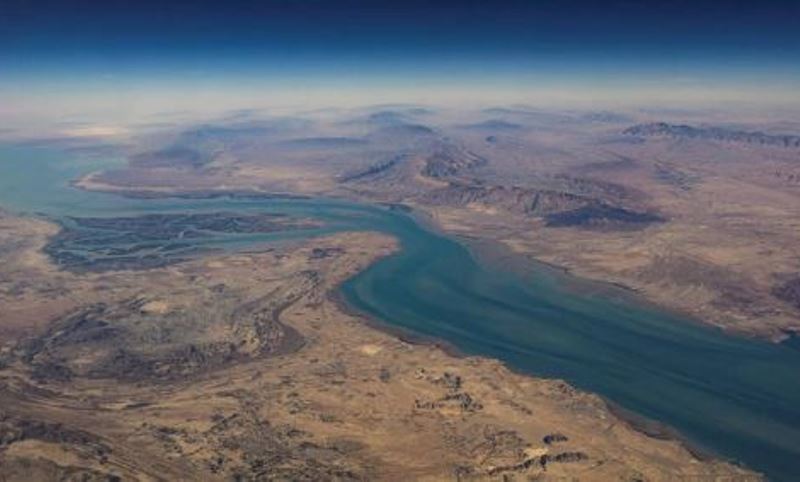
US President Donald Trump called for the complete economic isolation of Iran in his address to the United Nations General Assembly on September 22, as Tehran signalled that it could reopen the Strait of Hormuz within a week under certain conditions.
Iranian officials said Tehran was prepared to reopen the strategically important waterway if the United States reduced military pressure and lifted its blockade of Iranian ports. The proposal was reportedly conveyed to Washington through intermediaries, with Iran indicating that negotiations could resume.
The developments come amid continued disruption to shipping through the Strait of Hormuz, a critical route for global oil and energy trade. Any sustained improvement in access could ease pressure on tanker operators, energy markets and international supply chains.
Trump, meanwhile, used his UN address to press for further economic pressure on Iran. Reuters reported that he showed no immediate intention of restarting talks at the UN, while saying he expected an agreement could eventually be reached after the US midterm elections.
The conflicting signals leave the future of the waterway uncertain. Shipping and energy markets are closely watching whether diplomatic contacts can produce conditions for more predictable vessel movements through Hormuz.
For global shipping, a reopening would have implications for tanker traffic, freight costs, insurance premiums and voyage planning, particularly for vessels carrying crude oil and other energy products from the Gulf.
The situation remains fluid, with the timing and conditions for any reopening dependent on developments in US-Iran negotiations and the wider regional conflict.