
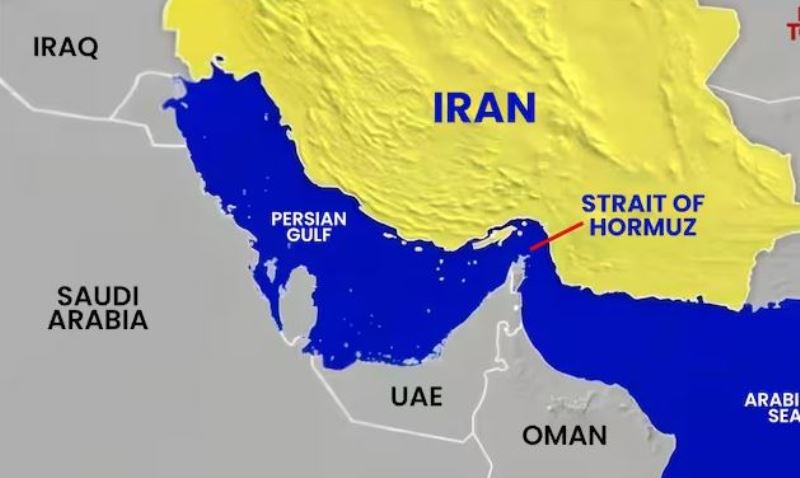
US President Donald Trump has rejected an Iranian proposal aimed at reopening the Strait of Hormuz within seven days and restarting negotiations, as regional tensions continue to intensify. Iran had conveyed the proposal through mediators, offering to reopen the strategic waterway in return for US concessions including an easing of the blockade and sanctions and a ceasefire.
Trump said the proposal was unacceptable, while Iran maintained that reopening the Strait would depend on Washington meeting its conditions. Iranian Foreign Minister Abbas Araghchi said Tehran continues to favour a negotiated solution and is awaiting an official US response.
The diplomatic standoff comes as fighting involving Yemen’s Houthi movement adds to security concerns across the region. Saudi-backed forces said air defences intercepted two drones launched toward Riyadh and a ballistic missile aimed at the Khamis Mushait area.
The developments are particularly significant for shipping and energy markets. The Strait of Hormuz is a critical route for global oil flows, while continued Houthi activity threatens the Red Sea and Bab el-Mandeb shipping corridor. Disruptions across both routes could keep pressure on vessel security, freight costs and energy supplies.
With the Hormuz proposal rejected and tensions continuing around Saudi Arabia and Yemen, uncertainty remains high for vessels operating through the Gulf and adjacent maritime routes.