
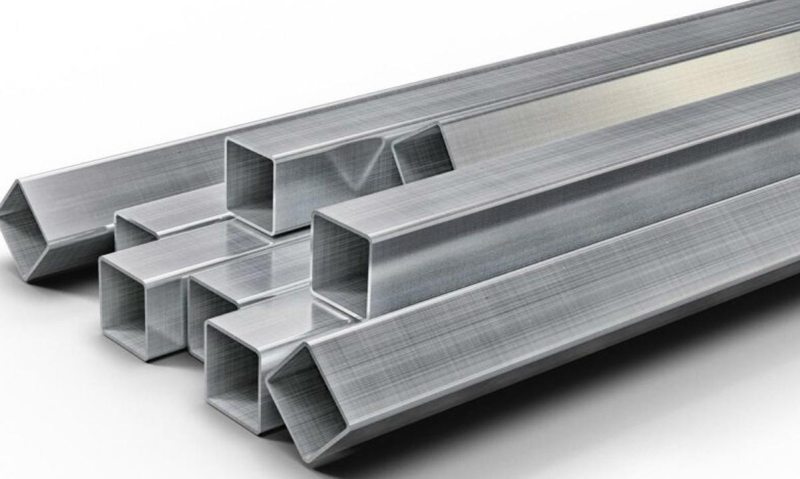
According to a report, India’s aluminium sector is advocating for increased import levies on aluminium and its scrap due to concerns about dumping by China, the Middle East, and ASEAN countries.
Import duties on aluminium scrap to be raised
In a budget proposal to the finance ministry, the Aluminium Association of India (AAI) has requested that the import duty on aluminium scrap be raised from 2.5 per cent to 7.5 per cent and has also called for a slight increase in the import tax on primary aluminium to 10 per cent.
Raising import duties on aluminium and its scrap could help curb the spike in imports, which accounted for approximately 55 per cent of India’s demand in FY24. According to Mint, the share of local manufacturers has decreased from 60 per cent in 2011 to 45 per cent in FY24.
“We have asked the government to control imports by fixing scrap import duty at par with that on primary aluminium, i.e. 7.5 per cent, in the upcoming Union budget to discourage the influx of sub-standard materials and safeguard the domestic industry, which provides livelihood to over 10 lakh people,” said the report.
Significant challenge
The volume of low-quality imported scrap, posing risks to public health and the environment, has surged nearly threefold, climbing from 472 kilotonnes (kt) in FY11 to 1,768 kt in FY24. The aluminium industry highlighted significant challenges due to high central and state taxes, constituting a substantial portion of their manufacturing expenses, thereby disadvantaging domestic companies. According to the report, taxes and levies account for approximately 17 per cent of their manufacturing costs.
Additionally, the implementation of the Carbon Border Adjustment Mechanism in the EU is impeding exports, potentially causing the local sector to lose access to a $2.2 billion market. The report noted that while aluminium firms are increasingly exploring low-carbon energy options, achieving a complete shift entails significant expenses that may not be feasible in the near term.
AAI requests for a cap of 2.5%
The AAI has urged a 2.5 per cent duty cap on critical inputs like petroleum coke, green anodes, and pre-baked anodes to prevent an inverted duty structure. According to Mint, primary aluminium manufacturers do not cater to recognised export clients eligible for duty-free pricing.
To assist manufacturers in reducing inventory and transaction costs, the AAI has proposed extending benefits under the government’s Remission of Duties and Taxes on Exported Products (RoDTEP) Scheme and coal cess credits to deemed export sales as well.
Aluminium is important in aerospace, energy, defence, and infrastructure. Due to its growing role in these critical industries, it has been recognised as a vital metal, which is essential for achieving future net-zero emissions goals. According to AAI, the increased use of aluminium signifies advancement in economies and will play a pivotal role in the country’s objective to attain developed nation status by 2047.