
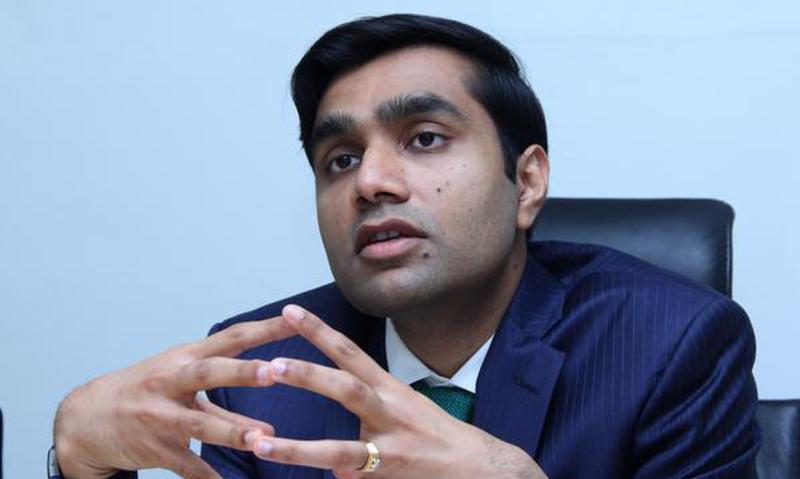
Within one year, all of India’s transshipment cargo will be handled from Vizhinjam
International Seaport, as this strategic deep-water maritime project is “much better
equipped”, Adani Ports and Special Economic Zone (APSEZ) Managing Director
Karan Adani said on Friday.
Prime Minister Narendra Modi on Friday officially commissioned the Vizhinjam
International Seaport, which was completed at an estimated cost of Rs 8,867 crore.
According to a PTI report, 75 per cent of India’s transshipment cargo is currently
handled at ports outside India. Indian ports lose up to USD 200-220 million of
potential revenue each year on transshipment handling of cargo originating/destined
for India. The project at Vizhinjam is intended to bring home the Indian cargo
transshipment presently being undertaken at the ports of Singapore, Colombo,
Salalah and Dubai.
Speaking to reporters after the inauguration event, Adani said, “Vizhinjam
International Seaport is much better equipped. Give us a year, you will see all
Indian ships are getting transshipped from here.” He shared that their ultimate goal is to
cut logistics costs by 30 per cent through increased efficiency and reducing
turnaround time.
Adani said APSEZ is targeting 90 per cent utilisation of the resources.
On the impact of tariffs imposed by US President Donald Trump on global trade
due, Adani said that any disruption in trade routes impacts shipping lines
and cargo movement. “In that way, some of the transhipment points
benefit from disruptions because shipping lines will have to re-route some of the
cargoes. That is from a transhipment perspective,” he said.
“I think from a trade perspective, we are seeing that a lot of manufacturing is moving into India and the export boxes increasing from India to the US,” he added.