
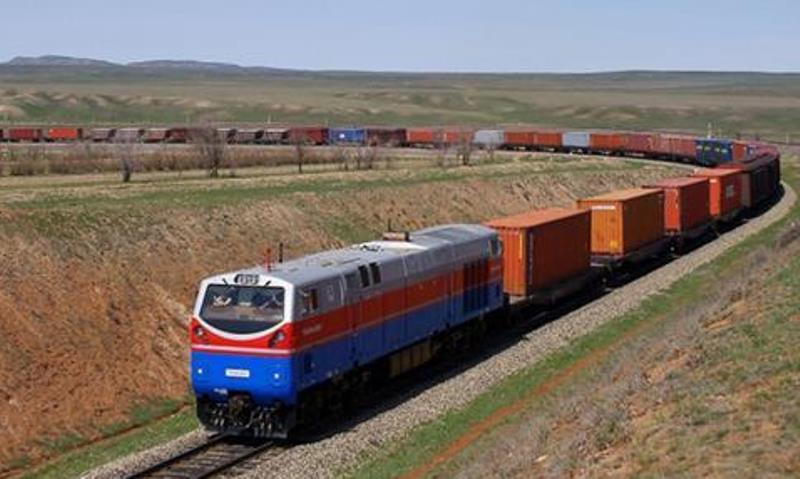
In a major reform aimed at enhancing the ease of doing business and attracting greater private investment in rail freight, the Government of India has approved a simplified licensing framework for Container Train Operators (CTOs), allowing them to operate container trains across the entire Indian Railways network under a single all-India licence.
The Ministry of Railways has approved amendments to the Model Concession Agreement (MCA), replacing the existing route-specific licensing system with a unified licence valid across all routes on the Indian Railways network. The revised framework will come into effect following its notification in the Official Gazette.
Under the new policy, all new applicants will be required to pay a uniform, non-refundable registration fee of ₹25 crore, enabling them to operate container train services nationwide without the need for separate route-wise licences.
The approved amendments also provide a significant incentive for operators by extending the concession period by an additional 20 years, without imposing any renewal or extension fee.
The move is expected to simplify regulatory procedures, reduce administrative complexities, and create a more business-friendly environment for private container train operators. It is also anticipated to improve operational flexibility, encourage competition, and support the government’s broader objective of increasing the modal share of rail in freight transportation.
Industry stakeholders believe the reforms will strengthen multimodal logistics, improve supply chain efficiency, and contribute to the growth of containerised cargo movement across the country.