
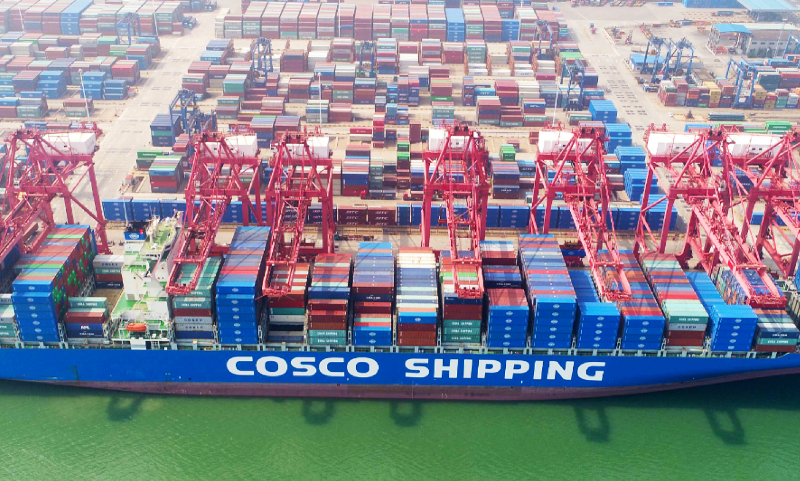
COSCO Shipping has announced the implementation of an emergency bunker surcharge for cargo destined for the United States, citing rising fuel costs and ongoing volatility in global energy markets. The measure is intended to help offset increased operating expenses faced by carriers as shipping lines navigate a challenging cost environment.
The surcharge will apply to U.S.-bound shipments across designated trade routes and is expected to affect a wide range of cargo moving through COSCO’s container shipping network. The carrier indicated that the additional charge reflects recent fluctuations in bunker fuel prices, which have been influenced by geopolitical tensions and uncertainty in key energy-producing regions.
Shipping lines frequently adjust bunker-related fees to recover fuel expenses when market conditions lead to sharp cost increases. The latest surcharge announcement highlights the impact that energy market developments can have on maritime transportation costs and supply chain planning.
For shippers and logistics providers, the new fee may contribute to higher freight expenses, particularly for businesses dependent on trans-Pacific and other U.S.-focused trade lanes. Industry participants are closely monitoring carrier pricing strategies as they assess the broader implications for shipping costs and trade flows.
The move comes amid heightened concerns over fuel availability and pricing following disruptions in global energy markets. As carriers seek to manage operational costs, additional surcharge adjustments could remain a feature of the shipping industry if energy price volatility persists in the coming months.