
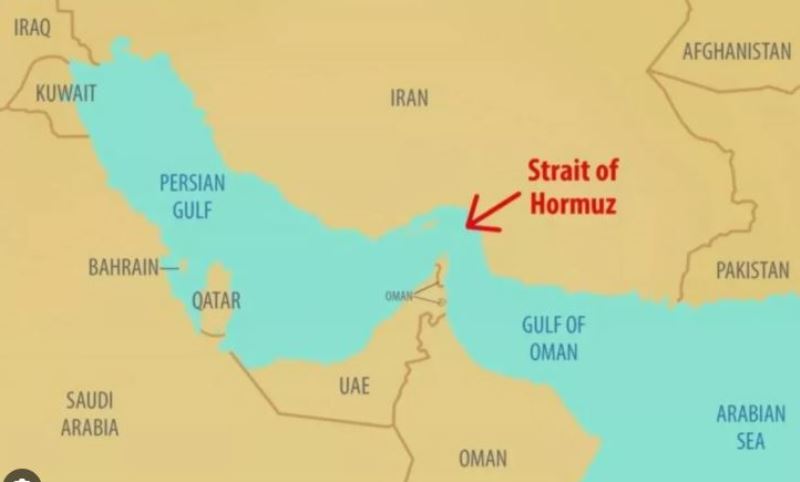
The Strait of Hormuz, one of the world’s most critical maritime chokepoints, has been thrust back into the spotlight after Iran announced the closure of the waterway following fresh U.S. military strikes. The move marks a significant escalation in tensions between Washington and Tehran and has raised concerns over potential disruptions to global energy and shipping markets.
Iran’s military authorities stated that the closure applies to all vessels, including oil tankers and commercial ships, warning that any attempt to transit the strait could face military action. The announcement came shortly after a new round of U.S. attacks on Iranian targets, further intensifying an already volatile regional situation.
The Strait of Hormuz serves as a vital gateway for global energy trade, carrying a substantial share of the world’s seaborne crude oil and liquefied natural gas shipments. Any interruption to traffic through the narrow waterway has the potential to affect energy supplies, freight rates, insurance costs, and shipping schedules across international markets.
Energy markets reacted swiftly to the latest developments, with oil prices rising amid fears of supply disruptions. Shipping companies, traders, and governments are closely monitoring the situation as they assess the potential impact on trade flows and regional security.
While some reports indicate that commercial vessels continue to move through parts of the region, the heightened uncertainty has added pressure to global supply chains and increased concerns about a prolonged disruption to one of the world’s most strategically important shipping routes.