
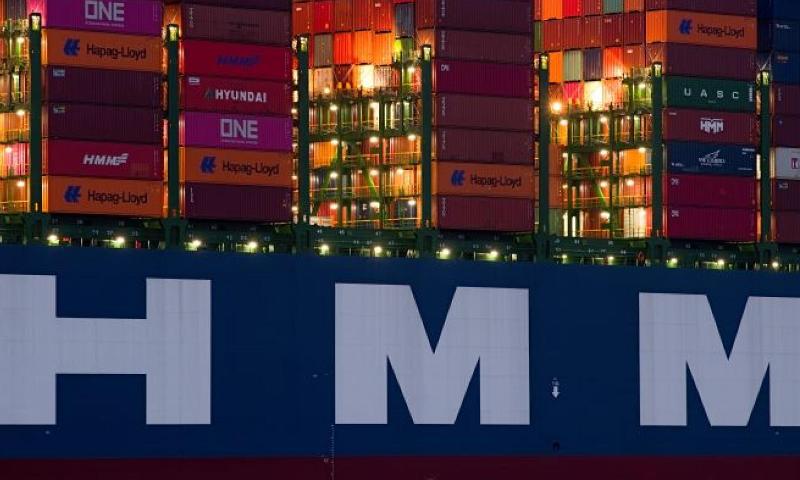
HMM is scaling back its long-term fleet capacity ambitions as the carrier shifts its expansion strategy toward deploying smaller vessels and optimizing its network efficiency.
The South Korean shipping line has revised its fleet growth approach, moving away from aggressive capacity expansion and focusing instead on a more balanced fleet structure designed to match changing market conditions. The company is prioritizing operational flexibility, improved vessel utilization and cost efficiency over rapid increases in total capacity.
HMM’s updated strategy reflects changes in global container shipping demand, where market volatility, supply-demand imbalances and uncertainty over future trade growth have encouraged carriers to adopt more cautious fleet planning. Smaller vessels offer greater flexibility in serving regional routes and adjusting capacity based on cargo demand.
The carrier has previously invested in large container ships to strengthen its position on major east-west trade lanes. However, the latest shift indicates a greater focus on network optimization, regional connectivity and maintaining competitive service levels across diverse markets.
Industry analysts note that smaller ships can provide advantages in secondary trade routes, including improved port accessibility, more frequent service options and reduced exposure to periods of weak demand. The strategy may also help HMM manage fleet costs and improve resilience amid changing shipping conditions.
HMM continues to pursue growth opportunities through selective vessel investments, strategic partnerships and service enhancements. The company is also focusing on sustainability initiatives, including the adoption of fuel-efficient vessels and technologies aimed at reducing emissions.
The revised fleet strategy highlights a broader trend across the container shipping sector, where carriers are reassessing expansion plans after years of rapid capacity growth. Shipping companies are increasingly balancing fleet size with profitability, environmental requirements and long-term market stability.
By shifting toward a more flexible fleet model, HMM aims to strengthen operational performance while adapting to evolving global trade patterns and customer requirements.