
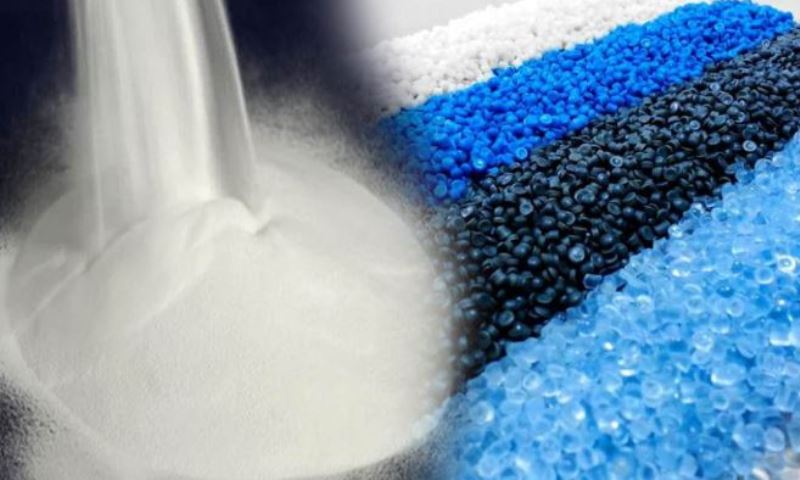
The Indian government has imposed a Minimum Import Price (MIP) on suspension-grade polyvinyl chloride (PVC) resin in a move aimed at protecting domestic manufacturers from a surge in low-priced imports. The measure is expected to curb the inflow of cheaper PVC resin, particularly from countries where excess production capacity has led to aggressive export pricing.
Suspension-grade PVC resin is a key raw material used in the manufacture of pipes, fittings, cables, profiles, flooring, medical products and a wide range of construction and industrial applications. India relies on both domestic production and imports to meet the growing demand for the material.
The introduction of an MIP is intended to prevent underpriced imports from adversely affecting domestic producers while ensuring a level playing field for the local industry. Industry stakeholders have long sought measures to address concerns over dumped or heavily discounted imports that have put pressure on domestic prices and production.
The government expects the new pricing mechanism to encourage domestic manufacturing, improve capacity utilisation at local PVC plants and support investment in the petrochemical sector. At the same time, downstream industries are expected to monitor the impact of the policy on raw material availability and production costs.
The latest move forms part of India’s broader trade strategy to balance import dependence with the development of domestic manufacturing capabilities while ensuring stable supplies for key industrial sectors.