
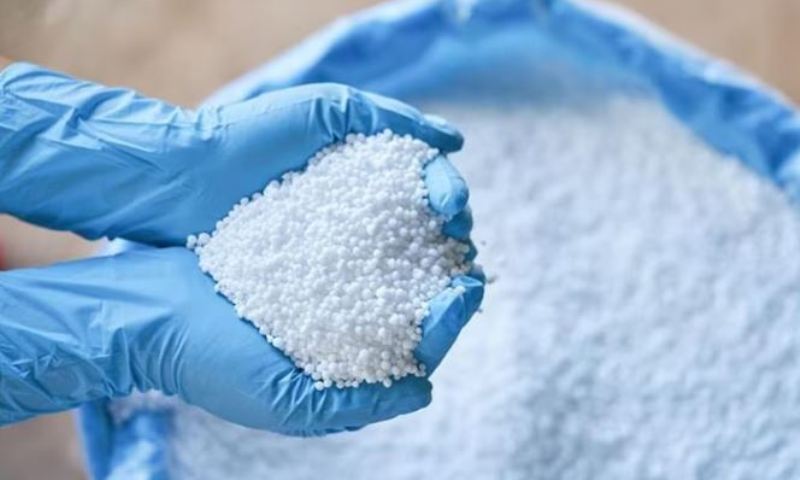
India’s imports of key fertilisers increased during the first quarter of the current fiscal year, with urea imports reaching 25.08 lakh tonnes and di-ammonium phosphate (DAP) imports touching 7.11 lakh tonnes, reflecting continued efforts to ensure adequate nutrient availability for the agricultural sector.
The higher import volumes come as the government seeks to maintain sufficient fertiliser supplies ahead of peak sowing seasons and support farmers with timely availability of essential crop nutrients. Urea remains the country’s most widely used nitrogenous fertiliser, while DAP is a critical source of both phosphorus and nitrogen for a variety of crops.
India relies on imports to bridge the gap between domestic production and demand, particularly for phosphatic fertilisers such as DAP, where dependence on overseas suppliers remains significant. The country sources fertilisers from multiple international markets to diversify supply and minimise disruptions.
Industry observers note that global fertiliser prices, geopolitical developments, shipping costs and currency movements continue to influence India’s import strategy. Procurement during the first quarter is aimed at building inventories and ensuring uninterrupted distribution through the upcoming agricultural seasons.
The increase in urea and DAP imports underscores the government’s focus on strengthening food security by maintaining a stable fertiliser supply chain. Adequate availability of these key nutrients is expected to support agricultural productivity and help meet the nutrient requirements of farmers across the country.