
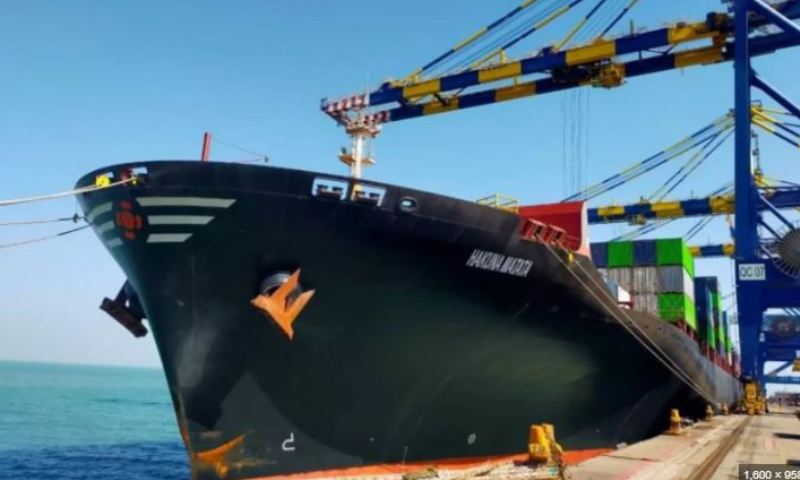
SeaLead Shipping is facing liquidation following the impact of US sanctions, putting the future of the container carrier under pressure and highlighting the wider risks sanctions can create for international shipping companies.
The sanctions have reportedly affected the company’s ability to conduct normal commercial and financial operations, making it increasingly difficult to maintain its business activities. Restrictions linked to sanctioned entities and transactions can disrupt access to banking services, insurance, vessel operations and other essential parts of the shipping ecosystem.
For a container carrier, such constraints can have significant consequences. Shipping companies depend on a wide network of banks, insurers, ports, suppliers, vessel owners, agents and logistics partners. Sanctions-related restrictions can therefore create operational difficulties even when a company continues to have underlying cargo demand.
SeaLead has built an international container shipping network serving major trade routes. The company’s difficulties could therefore affect customers, vessel partners and other stakeholders connected to its operations, depending on how the liquidation process develops.
The situation also underscores the growing influence of geopolitical and regulatory developments on liner shipping. Sanctions have increasingly become an important factor in determining how vessels, cargoes and shipping companies can operate across international markets.
Any liquidation process is likely to involve decisions regarding the company’s vessels, commercial contracts, employees, creditors and other assets. The eventual outcome will depend on the legal and financial proceedings and the ability of stakeholders to resolve outstanding obligations.
The SeaLead case highlights the financial and operational exposure of shipping companies to sanctions and other geopolitical restrictions. As international trade becomes increasingly affected by regulatory measures and geopolitical tensions, carriers may face greater pressure to assess compliance risks across their global networks.