
Thailand has submitted a new trade proposal to the US to avoid the imposition of a 36 per cent tariff on its exports.
The US currently accounts for 18.3 per cent of the country’s exports, valued at approximately $55 billion in 2024, making Thailand its largest export market.
According to media, the proposal seeks to eliminate tariffs on many US imports and cut Thailand’s $46 billion trade surplus with the US by 70 per cent within five years, aiming for balanced trade in seven to eight years — an accelerated timeline from previous plans.
Key Thai exports to the US include computers, telecommunication equipment, and rubber products, which are largely containerised cargoes transported via maritime routes.
On the import side, Thailand plans to increase purchases of US crude oil, machinery, and chemicals, which also involve significant shipping and port activity.
From a shipping perspective, the threat of steep tariffs has already impacted trade patterns.
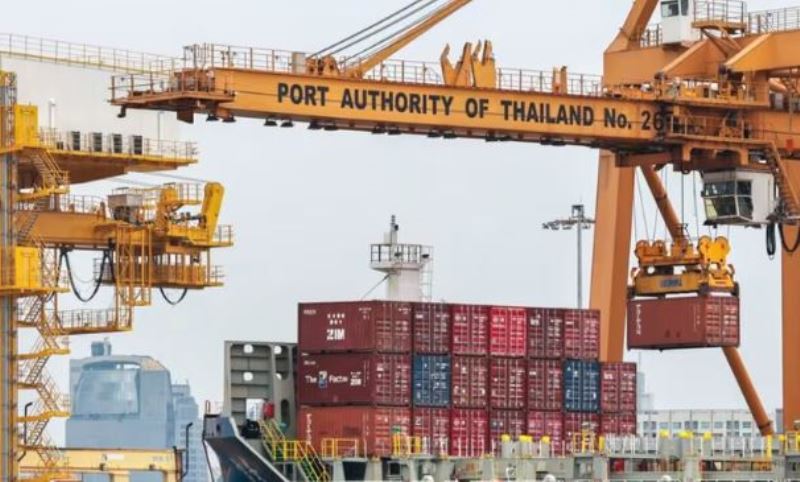
Reuters revealed that companies rushed to move goods during the 90-day tariff reprieve, leading to a surge in container volumes and increased transhipment activity at major Thai ports, including Laem Chabang and Bangkok Port.
The US has expressed concerns about the transhipment of goods from third countries through Thailand, which affects port throughput and customs enforcement and remains a key negotiation point.
If the tariffs are imposed, shipping lines and ports could face disruptions, including cargo diversion, delays, and fluctuating volumes, impacting terminal operations and logistics providers along the Thailand-US trade corridor.
Reuters noted that the tariffs threaten to slow Thailand’s economic growth to just over 1 per cent in 2025, which would reduce export volumes and negatively affect maritime freight demand.
The outcome of these trade negotiations will have a direct impact on container throughput, transhipment practices, and the overall resilience of maritime logistics in Southeast Asia, especially as Chinese exporters increasingly reroute shipments through the region to avoid US tariffs, driving significant shifts in global trade routes and prompting widespread adjustments across the maritime logistics sector.