
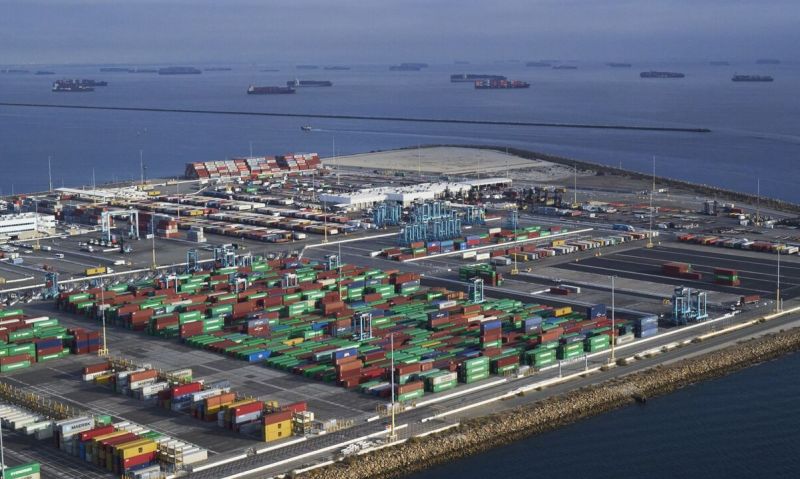
Transport operators are opposing congestion charges at the Port of Durban, raising concerns that the additional costs could increase expenses for road freight operators and ultimately put pressure on supply-chain costs.
The charges have become a point of contention as transporters deal with delays and congestion affecting cargo movement through one of South Africa’s key gateways. Industry representatives argue that operators should not bear additional costs when congestion is linked to wider operational and infrastructure constraints at the port.
Durban is a critical hub for South Africa’s containerised trade, with large volumes of cargo moving between the port, inland logistics centres and industrial areas. Prolonged delays can result in higher truck operating costs, including fuel consumption, driver hours and vehicle utilisation.
Transporters have called for greater engagement between port authorities and the road freight industry to address the underlying causes of congestion and improve cargo-flow efficiency.
Industry stakeholders are also seeking greater transparency over the basis for congestion-related charges and how the additional revenue will be used to improve port operations.
The dispute highlights continuing challenges around port efficiency and landside connectivity in Durban. Transport operators say reducing vessel, terminal and truck turnaround times would provide a more sustainable solution to congestion than imposing additional charges on freight carriers.
Further discussions between industry representatives and port stakeholders are expected as efforts continue to improve cargo movement through Durban.