
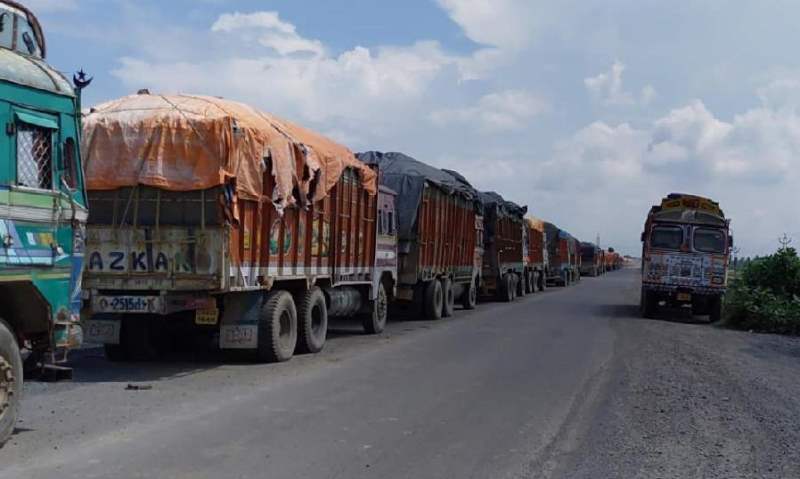
Truck rentals across India declined by 4–5% in April, following a steeper 9–10% drop in March on key routes, as geopolitical tensions linked to the Iran conflict and reduced cargo flows from major manufacturing hubs weighed on freight demand, according to the Indian Foundation of Transport Research and Training (IFTRT).
The research body noted a significant 15–20% fall in dispatches from manufacturing centres, particularly among small and medium enterprises, which contribute nearly 70% of intra- and inter-state cargo volumes. The slowdown in industrial freight has directly impacted trucking activity across key corridors.
However, a seasonal uptick in agricultural logistics provided partial relief. Increased arrivals of wheat, pulses, and summer fruits and vegetables drove a 20–25% surge in agri-logistics demand. This shift prompted fleet operators to redeploy capacity toward wholesale markets, helping offset some of the losses in industrial freight movement.
On the cost front, IFTRT highlighted rising operational pressures. While domestic diesel prices have remained stable, truck tyre prices have climbed by 4–5% over the past four to six weeks, adding to the financial strain on fleet owners already grappling with weaker freight rates.
The mixed demand environment underscores the sector’s ongoing volatility, as transporters navigate uneven cargo flows and rising input costs.