
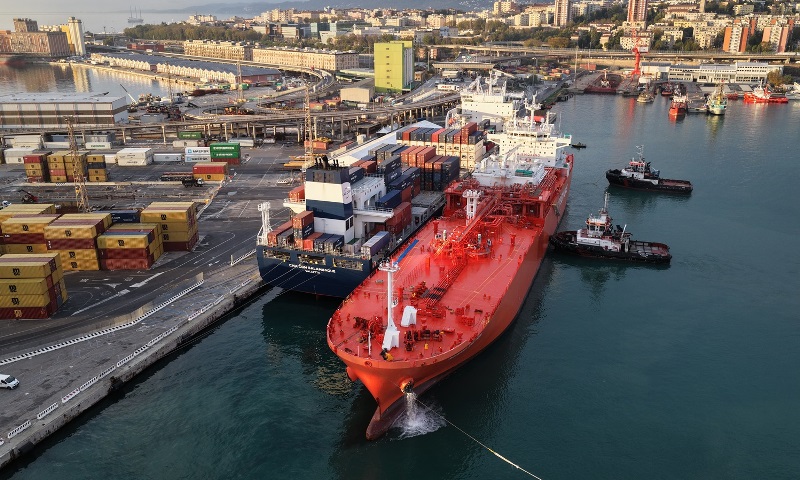
The global container shipping industry is heading towards a potential market correction as a record newbuild orderbook threatens to outpace demand growth in the coming years. According to industry data, liner companies have continued aggressive fleet expansion, placing orders for large, fuel-efficient vessels despite growing uncertainty around trade volumes and freight rates.
The current orderbook, which accounts for a historically high share of the existing fleet, is expected to result in a significant influx of capacity from 2025 onwards. While many of the new vessels are designed to replace older, less efficient tonnage and comply with tightening environmental regulations, the scale of deliveries risks creating structural oversupply if demand fails to keep pace.
Market analysts note that slowing global economic growth, ongoing geopolitical disruptions, and uneven recovery in key consumer markets could limit cargo growth, particularly on the main east–west trades. This imbalance could put renewed pressure on freight rates, erode carrier profitability, and intensify competition among major liners.
At the same time, scrapping activity has remained subdued, with operators reluctant to retire vessels amid expectations of future demand recovery. Unless demolition accelerates or blank sailings are expanded, the growing fleet could undermine the supply discipline that supported carriers during the post-pandemic period.
Industry observers warn that the combination of heavy newbuild deliveries and softening demand could mark the beginning of a cyclical downturn for container shipping, forcing carriers to reassess ordering strategies, alliance structures, and capacity management as the market adjusts to a new equilibrium.