
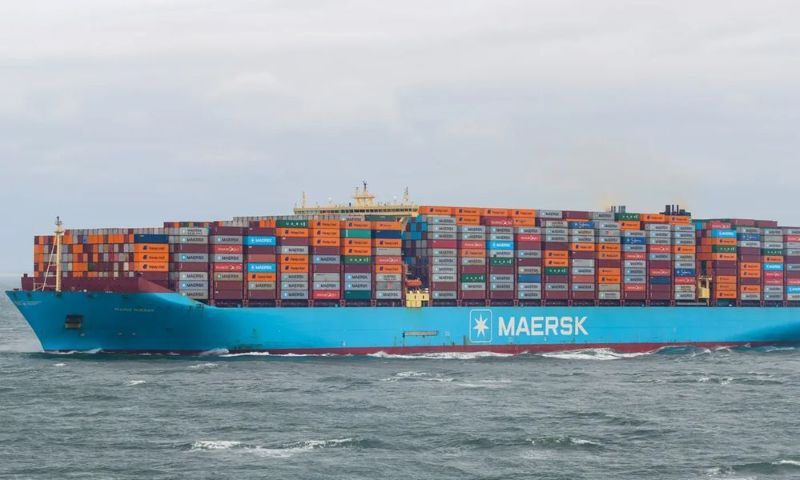
Maersk has announced a revision to its peak season surcharge (PSS) for cargo shipments originating from Pakistan, reflecting adjustments in demand, capacity, and market conditions. The move comes amid shifting freight patterns and higher seasonal volumes, which have traditionally strained container availability.
The revised surcharge will affect exporters shipping goods from major Pakistani ports, including Karachi, Port Qasim, and Gwadar, across various trade lanes. Maersk said the adjustment is intended to balance capacity utilization and ensure reliable service during peak shipping periods, particularly for sectors such as textiles, pharmaceuticals, and agricultural products, which account for a significant portion of Pakistan’s export cargo.
Industry sources noted that the revision aligns with trends seen globally, as carriers recalibrate surcharges to manage operational costs, fuel prices, and container demand. Shippers are advised to factor the new PSS rates into their logistics planning and freight budgeting to avoid disruptions during the peak season.
Maersk has also encouraged exporters to book early and coordinate with local agents to secure vessel space, emphasizing that proactive planning can mitigate the impact of peak-season adjustments on supply chains.