
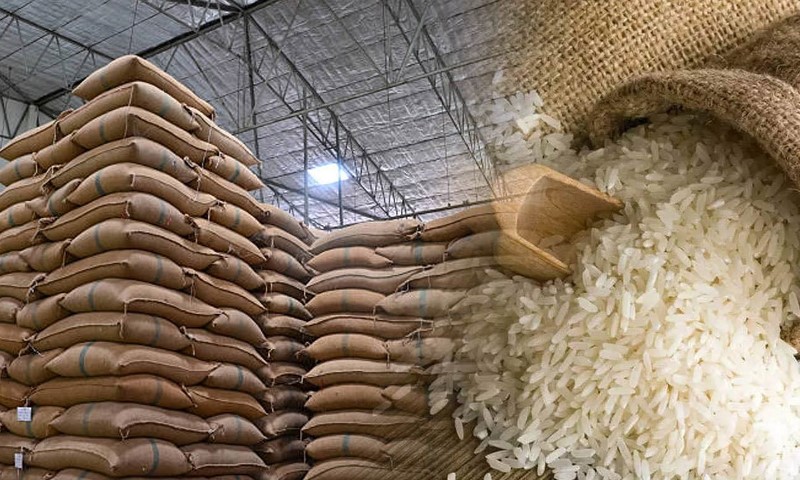
Indian rice export prices have remained near a one-year high, supported by the weakening rupee, which has helped exporters maintain competitive returns in overseas markets.
The depreciation of the Indian currency can improve exporters’ rupee earnings from dollar-denominated sales, helping offset pressure from international price competition and rising operating costs. However, the impact varies depending on procurement costs, freight charges and export contracts.
India is one of the world’s leading rice exporters, supplying major markets across Asia, Africa and the Middle East. Changes in export prices and currency movements can influence buying decisions among international importers, particularly those comparing supplies from India with competing origins such as Thailand, Vietnam and Pakistan.
Export prices are also influenced by global demand, domestic availability, government policies and competition among suppliers. A weaker rupee may support exporter margins, although higher domestic rice prices could limit the benefit.