
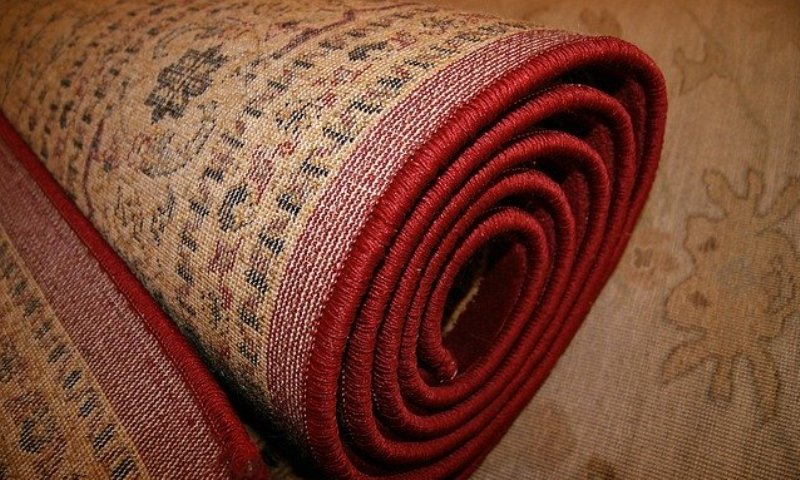
India’s handmade carpet industry is set for a significant export push into the European Union’s luxury interiors market, buoyed by the newly concluded India–EU Free Trade Agreement (FTA), the Carpet Export Promotion Council (CEPC) has said.
The FTA’s tariff elimination clause is being hailed as a game changer for India’s labor-intensive carpet and rug sector, which has historically faced import duties in Europe that limited competitiveness and price positioning. With the removal of these barriers, Indian exporters anticipate expanded access to one of the world’s most discerning markets for premium home décor.
Tariff Elimination Opens Doors to Premium Europe Market
Under the new trade agreement, tariffs on handmade carpets and related textile products will be eliminated, allowing Indian makers to compete on price and quality with international suppliers. The CEPC said this preferential access is expected to boost price competitiveness, support micro, small and medium enterprises (MSMEs), and reinforce India’s reputation for heritage craftsmanship and sustainable sourcing.
Artisan Clusters to Benefit
India’s handmade carpet sector is deeply rooted in historic weaving clusters such as Bhadohi, Mirzapur and Varanasi in Uttar Pradesh, Panipat in Haryana, Jaipur and Bikaner in Rajasthan, and Srinagar in Jammu & Kashmir. These regions, known for their exceptional craftsmanship, are expected to gain renewed export momentum as European demand for luxury interiors grows.
CEPC Chairman Captain Mukesh Kumar Gombar described the FTA as a transformational milestone, saying the removal of duties will allow Indian carpets to compete more effectively across value, quality, and sustainability parameters in the EU market. He emphasized that benefits will extend beyond major exporters to include smaller artisan units and rural producers.
Support for MSMEs and Jobs
The council notes that easier access to European supply chains could strengthen integration, improve price realization, and generate employment, particularly for women and youth in traditional weaving hubs. CEPC Vice Chairman Aslam Mahboob highlighted that engagement with European buyers will deepen, underpinning India’s position as a preferred supplier of handcrafted rugs and carpets.
Strategic Alignment with India@2047 Vision
CEPC reaffirmed its commitment to partnering with government and industry stakeholders to ensure smooth implementation of the FTA, aligning with the broader India@2047 vision of a competitive, inclusive and resilient economy that nurtures traditional, labor-intensive sectors.