
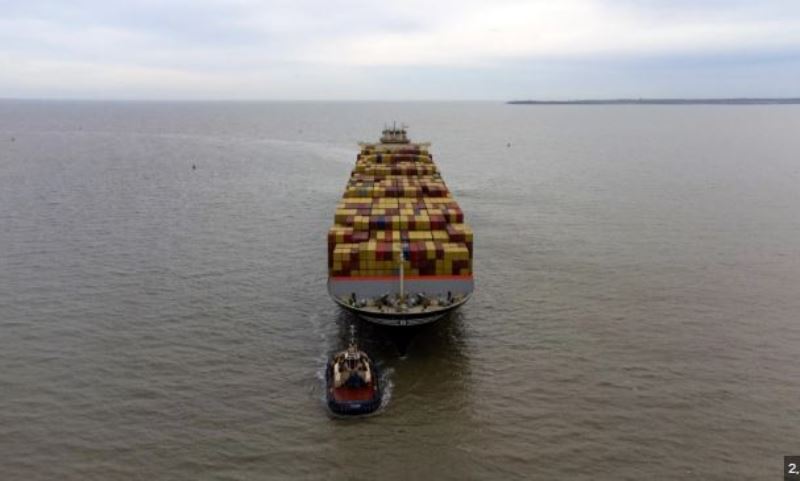
India has set an ambitious long-term plan to procure 437 vessels by 2042 as part of a broader strategy to expand and modernize its maritime fleet, strengthen shipping capacity, and reduce dependence on foreign-flagged tonnage.
The proposed fleet expansion is expected to cover a range of vessel types, including cargo ships, tankers, bulk carriers, container ships, and specialized vessels to support energy, trade, and offshore operations. The initiative aligns with India’s goal of building a more self-reliant and globally competitive shipping ecosystem.
By increasing domestic fleet capacity, India aims to enhance control over critical trade routes, improve logistics resilience, and reduce foreign exchange outflows currently spent on chartering and shipping services from overseas operators.
The plan also supports the country’s growing export-import volumes, driven by manufacturing expansion, energy demand, infrastructure development, and rising consumption. A larger national fleet would help ensure greater availability of shipping capacity during global disruptions and peak trade cycles.
Industry stakeholders note that such a large-scale procurement drive could significantly benefit domestic shipbuilding yards, maritime equipment suppliers, and allied industries, creating jobs and boosting industrial output.
The strategy is also expected to align with global trends toward greener shipping, with newer vessels likely incorporating fuel-efficient designs and alternative fuel capabilities.
If executed successfully, the 437-vessel expansion plan could transform India’s maritime profile over the next two decades, strengthening its position in global shipping and trade networks.