
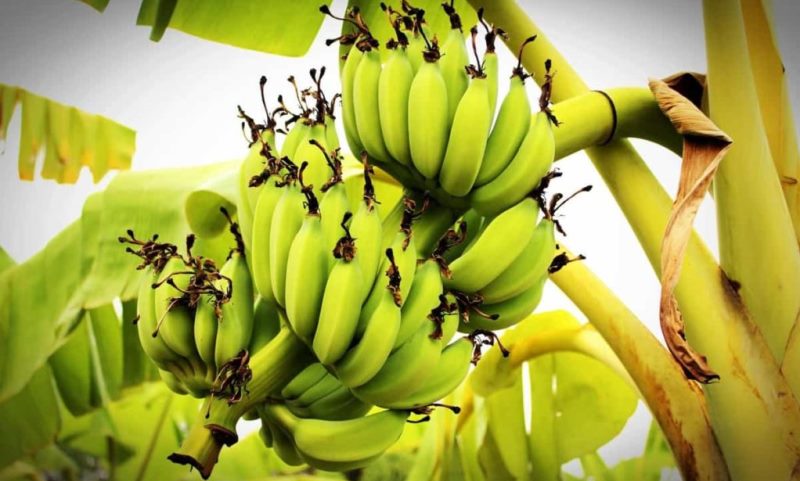
Banana prices across key producing regions in India have dropped by nearly 33% following a sharp disruption in exports to the Middle East, as escalating conflict in the region stalls shipments and weakens overseas demand.
Exporters said consignments bound for major Gulf markets have been delayed or cancelled due to heightened security risks, shipping uncertainties and rising freight and insurance costs. The Middle East accounts for a substantial share of India’s banana exports, making the trade particularly vulnerable to geopolitical instability.
With export channels constrained, excess supply has flooded domestic markets, pushing farmgate prices sharply lower. Traders in Maharashtra, Gujarat and Tamil Nadu — among the country’s leading banana-producing states — reported a steep decline in procurement rates over the past two weeks.
Industry representatives noted that many exporters are struggling with payment delays and logistical bottlenecks, especially for cargo transiting through sensitive maritime routes. Some shipping lines have rerouted vessels or imposed additional war-risk surcharges, further complicating outbound shipments.
Farmers have expressed concern over mounting losses, as bananas are highly perishable and require swift movement to prevent spoilage. “When export orders stop suddenly, the domestic market cannot absorb such volumes immediately,” a trader said, adding that cold storage capacity for bananas remains limited.
Agricultural trade bodies have urged the government to explore alternative markets in Southeast Asia and Europe and to provide temporary relief measures, including freight support or market intervention schemes, to stabilise prices.
The current disruption underscores the broader vulnerability of India’s agri-exports to geopolitical tensions, particularly in regions that serve as major trading partners. Until shipping routes normalise and demand recovers, price pressure in the domestic banana market is expected to persist.