
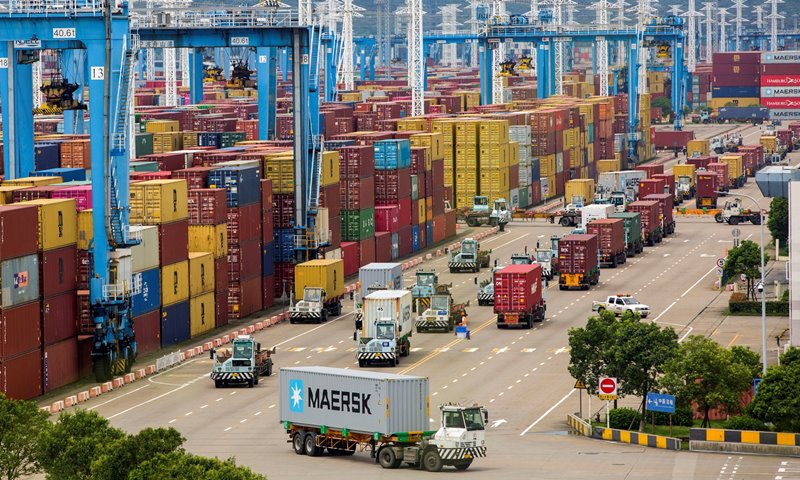
Indian exporters are facing a fresh cost shock as global container shipping lines sharply raise freight rates—by as much as 40%—amid escalating fuel expenses and rising insurance premiums linked to the prolonged Iran conflict.
Industry executives say this is the second round of hikes within a month, but unlike earlier increases that lasted only a few weeks, the latest surge may persist longer due to uncertainty surrounding the duration of the conflict.
From April 1, container shipping rates for exports from India to Europe are set to rise by up to $1,000 per container, with major carriers such as Mediterranean Shipping Company (MSC), AP Moller-Maersk, and CMA CGM implementing increases across key trade routes.
Freight forwarders say the combined impact of base rate hikes, emergency conflict surcharges (ECS), and war-risk premiums is significantly inflating shipping costs. “Even routine shipments now carry a price tag that reflects full rerouting and security premiums,” said a Mumbai-based logistics executive.
MSC has introduced a flat $1,000 increase per 20-foot container on shipments from Nhava Sheva, Ennore, and Kolkata to North Europe and the Mediterranean. Rates from Nhava Sheva to Antwerp will jump 46.5% to $3,150, while shipments to Valencia will rise 44.4% to $3,250. Similar increases of over 40% are being applied to shipments from Ennore and Kolkata to Antwerp.
Maersk has raised its ECS by $200 per container across India-Europe routes. ECS charges for northwest India shipments to North Europe will increase 40% to $700, while cargo from south and east India, Sri Lanka, and the Maldives will see hikes of 20–22%. Bangladesh-origin cargo will face ECS increases of 14–18%.
CMA CGM has set a new freight all kinds (FAK) benchmark of $4,600 for East Mediterranean routes, while marginally reducing rates to Algeria by 8%. On return routes, the carrier has also increased backhaul rates from Europe to the Indian subcontinent by $150 per container, translating to gains of 11–26%.
With geopolitical tensions continuing to disrupt global shipping lanes, exporters are now reassessing pricing strategies and supply chain planning as elevated freight costs threaten to erode margins in key overseas markets.